BLOG
What is Global Illumination in Games?
Global illumination is a lighting technology for 3D games that attempts to make scenes look more realistic by simulating how light behaves when it bounces off surfaces to illuminate nearby objects. More basic techniques rely on what is called “direct lighting” where a light source illuminates an object and nothing else, which is not how light works in the real world. With global illumination, or “indirect lighting,” light can bounce off an object and illuminate nearby objects as well, which looks much more realistic and natural.
What is an Example of Global Illumination?
Picture a sunny day outside, but you are looking at the inside of a dark room with windows along the wall, and those windows have blackout blinds on them. As you lift the blinds, sunlight begins to pour into the room. If you were using basic lighting techniques, the light would hit the floor and have hard angles where it was illuminating only the floor, and it would look like a window on the floor itself, or a rectangle of light.
With global illumination, that light would bounce up and illuminate the ceiling as well as the rest of the room. In this situation, and in the real world, the floor becomes a light source if it has enough light to pass to nearby objects. You can picture most of the room being lit quite well from the light coming in through the windows, as opposed to it just lighting the floor. You can see what it looks like in the video below.
What Does Global Illumination Look Like in Games?
How it looks depends on the game and how lighting is implemented, so results will vary widely. What you will not see very often is really hard shadows, as that is usually not how light behaves in the real world. Below are three examples of how it looks in modern games so you can see for yourself whether you think it looks realistic or not.
Indiana Jones and the Great Circle
This game offers global illumination and ray tracing as an option to improve it, and below we show you how that looks.
First, we disabled ray tracing and ran the game with global illumination set to both LOW and HIGH. As you can see below, there is practically no visible difference at all, with the lamp casting a very harsh and unrealistic shadow around its base, with a distinct line where the light shines and where it does not.
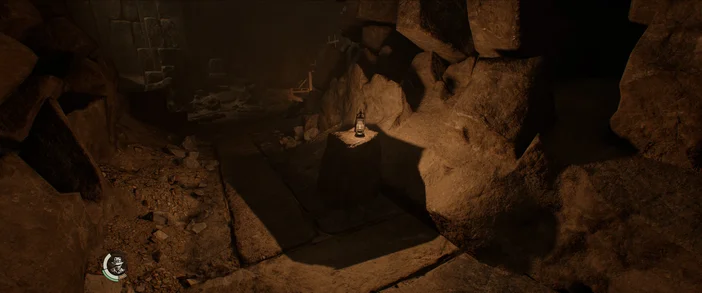
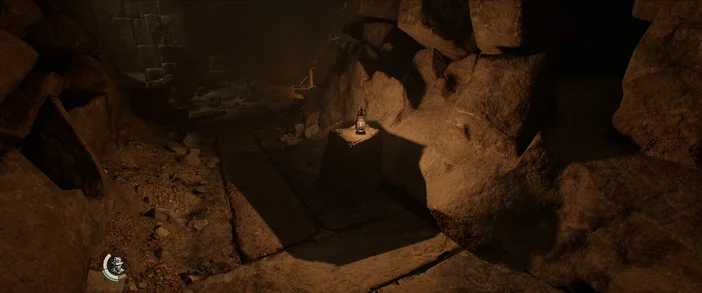
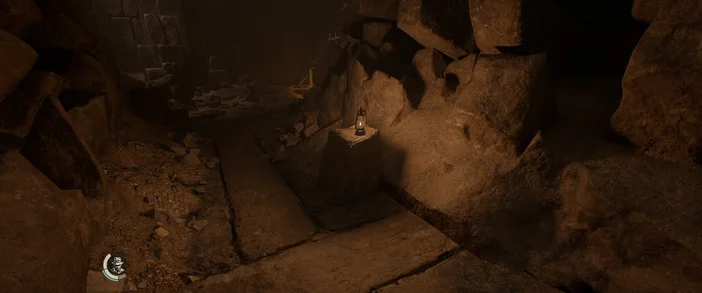
Next we enabled full ray tracing, also known as Path Tracing, and left global illumination set to HIGH. The difference is quite remarkable. As you can see below, the light is now scattered around the base of the pillar holding the lamp and is very diffuse, essentially all around the entire area, with the light bouncing off the rock walls and lighting up the floor as well. The hard shadows that were present before have disappeared, with the rock walls around the scene bouncing light all around.
Cyberpunk 2077
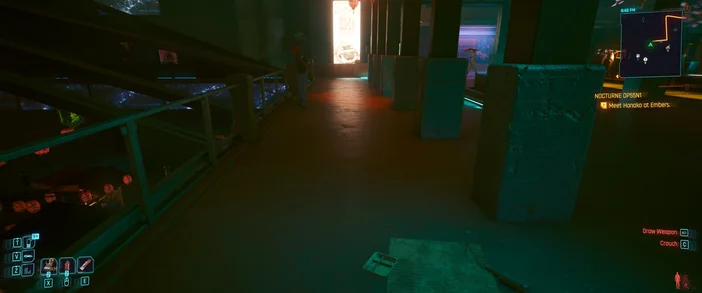
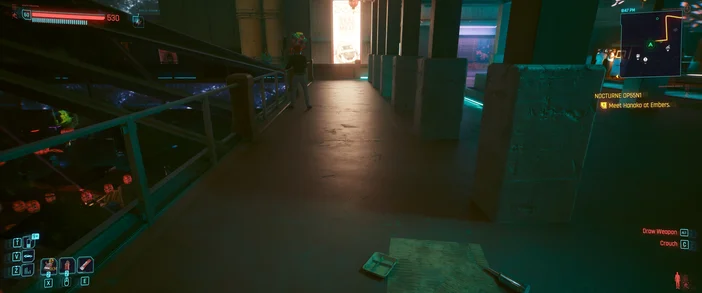
Cyberpunk 2077 has path tracing that enables global illumination, and with path tracing enabled we see a vivid example of indirect lighting. The pillars on the right side of the scene are almost pitch black with ray tracing disabled, and then become illuminated when path tracing is enabled because the sign on the wall illuminates the floor in front of them.
Control
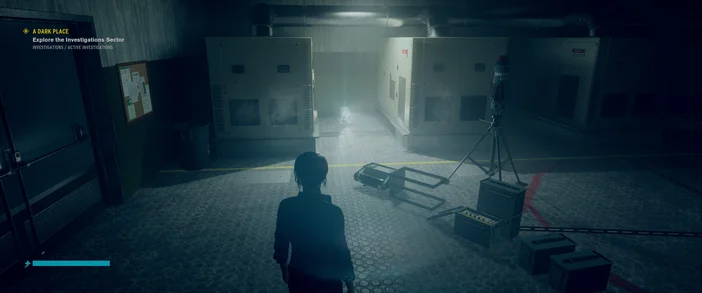
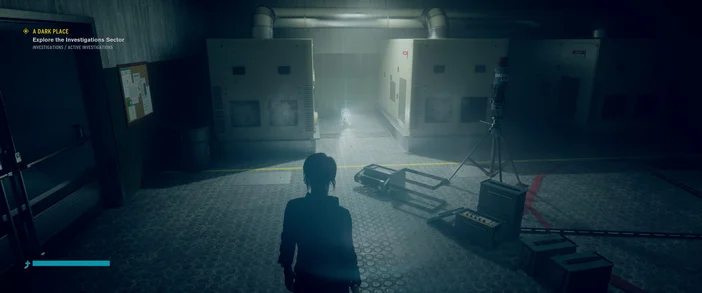
This game has global illumination baked in, but there is an option to enable Ray Traced Indirect Diffuse Lighting, which can add some lighting highlights to surfaces. In these screenshots, look at the pipe above the light source as you swipe back and forth, you can see how it is almost entirely illuminated with indirect lighting enabled.
What are the Drawbacks to Global Illumination?
The main drawback is that it is usually paired with ray tracing, so you will need a powerful GPU to run a game at 60 fps, though upscaling technologies and frame generation can help. The other drawback is that this technology is not found in many games, as it requires a beefy GPU and, if it’s baked in, a lot of work by developers. It’s typically only found in AAA single-player games like Cyberpunk, Indiana Jones, Metro Exodus, Avatar: Frontiers of Pandora, and similar titles.
What Are the Advantages of Global Illumination?
The main advantages of Global Illumination are it makes games look more realistic. It calculates how light would bounce and illuminate nearby objects in the real world, which looks really good usually.
Is Global Illumination the Same as Ray Tracing?
It is not, and one way to think about it is global illumination is the result of a rendering process, and ray tracing is just one way to achieve that end result, but it’s not the only way. Artists and programmers can fake it by doing a tremendous amount of work ahead of time calculating light bounces and then baking that lighting into the game’s textures and environments. If that requires too many resources, they can rely on ray tracing, which is able to do it real-time in-game, but this comes with a heft penalty as most gamers don’t own hardware capable of running ray tracing at 60 fps just yet.
JOIN OUR OFFICIAL CORSAIR COMMUNITIES
Join our official CORSAIR Communities! Whether you're new or old to PC Building, have questions about our products, or want to chat the latest PC, tech, and gaming trends, our community is the place for you.