BLOG
What's the Difference Between Intel i3, i5, i7, and i9?
If you've been involved in PC computing for a while, whether building PCs or gaming, you've probably noticed that Intel's mainstream consumer CPUs come in different models: the i3, i5, i7, and i9. If you're curious about how they differ, you're in the right place.
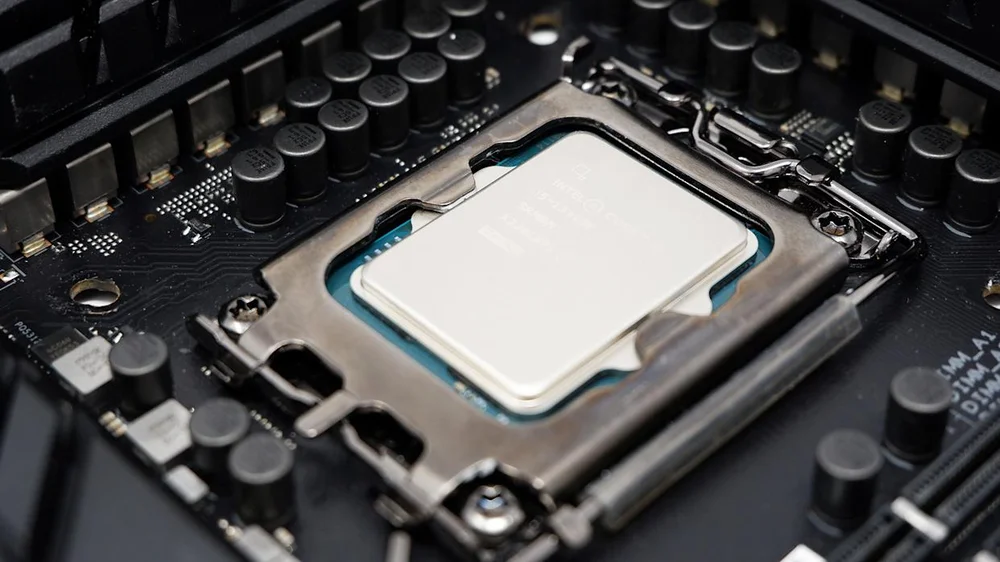
Intel i3 vs i5 vs i7 vs i9: What's the Difference?
Though Intel has now moved to a new naming scheme for their latest Core Ultra 200-Series CPUs, it's still worth knowing the differences between the i3, i5, i7, and i9 processors, as they are still available and remain good choices at time of writing.
Each processor model offers a specific level of technological innovation and performance tailored to various PC builds and purposes, such as improving processing speed, power efficiency, and other features that enhance the user experience. This reflects Intel’s naming convention for its Core series processors. Let's talk about each level in detail.
Intel i3 Processors
The Intel i3 was first introduced in January 2010 and is considered one of the first generations of Intel Core series processors. As the lowest number in the lineup, the i3 indicates that it is designed for basic computing tasks like web browsing, light multimedia, and standard office applications. It is an ideal CPU choice for those just starting with PC building and who are budget-conscious.
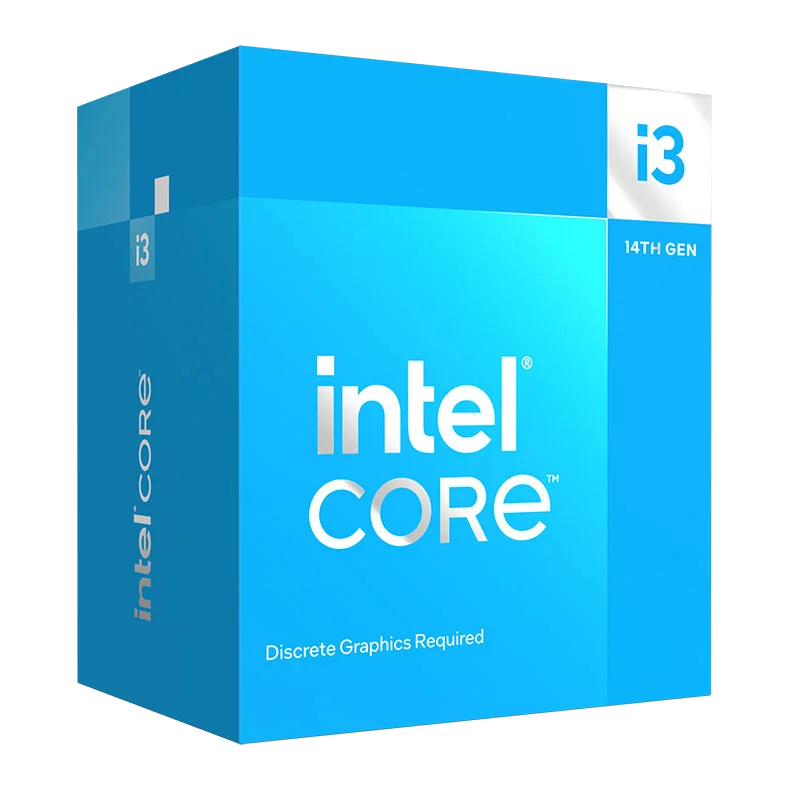
Intel i3 processors have 2 to 4 cores with hyper-threading technology, making them ideal for everyday use and light multitasking. You can still play games with i3 CPUs, but it’s best suited for titles that don’t demand much from the CPU or GPU, typically excluding triple-A games.
Intel i5 Processors
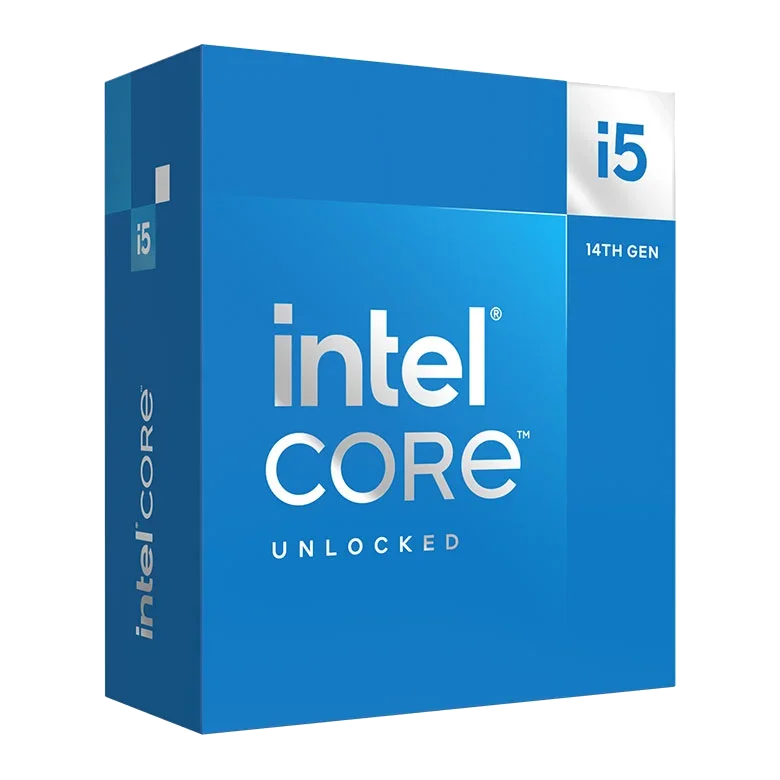
The Intel i5 was launched alongside the i3 in 2010. It offers more cores—4 to 6 compared to the i3’s 2 to 4, making it a step above. When introduced, it broadened options for users seeking a good balance of performance and affordability, quickly becoming a popular choice for a versatile CPU. It suits those who want a PC capable of handling multiple applications simultaneously without performance issues.
Thanks to its quad-configuration and Turbo Boost technology, which automatically increases the processor’s clock speed when needed, the i5 SKU became a highly appealing processor for many reasons. It has gained a reputation as a true mainstream CPU because it benefits users who use their PC not only for work but also for gaming, content creation, and productivity tasks that sometimes require high CPU responsiveness.
Additionally, i5 processors feature integrated graphics cards, also known as built-in video cards, which means the Graphics Processing Unit is packaged with the CPU. This makes them a good option for super budget-conscious builders as it means you can technically play games without a GPU, albeit it at very low graphical settings.
Intel i7 Processors
Once you move beyond the i3 and i5 processors, you enter the realm of high-performance Intel processors. This is where the i7 resides— the original powerhouse. The key difference that sets the i7 apart from the i3 and i5 is the number of cores. Intel i7 processors typically have 4 to 8 cores, making them capable of handling demanding tasks with ease. With more cores and threads, they deliver superior multitasking abilities and boost performance in intensive applications like triple-A video games and complex productivity tasks such as 3D rendering and video editing.
i7 CPUs are the preferred choice for PC builders engaged in serious gaming, especially competitive gaming, and prosumers who focus on content creation and intensive graphics processing. They require a powerful system capable of handling diverse data types—from images to 3D renders and multi-layered videos—without significant slowdowns.
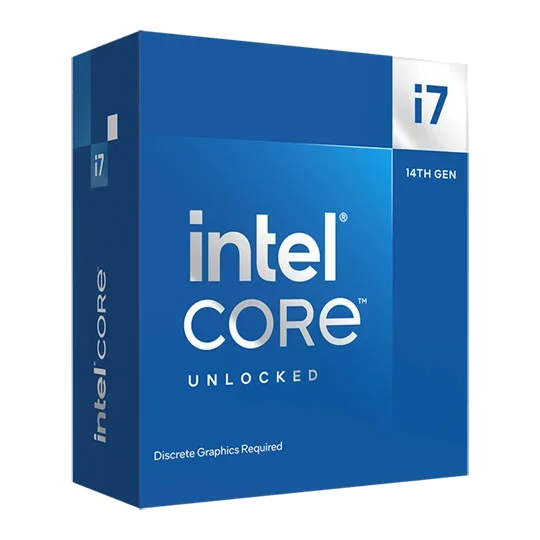
Similar to the i5, the i7 also features turbo boost technology. However, to distinguish it from the i5, Intel added Hyper-Threading, which boosts parallel processing capabilities and enhances performance in multi-threaded applications. The i7 SKU is built on a different architecture from the i3 and i5, making it more power efficient without sacrificing performance, thus positioning it as a true enthusiast-grade PC processor.
Intel i9 Processors
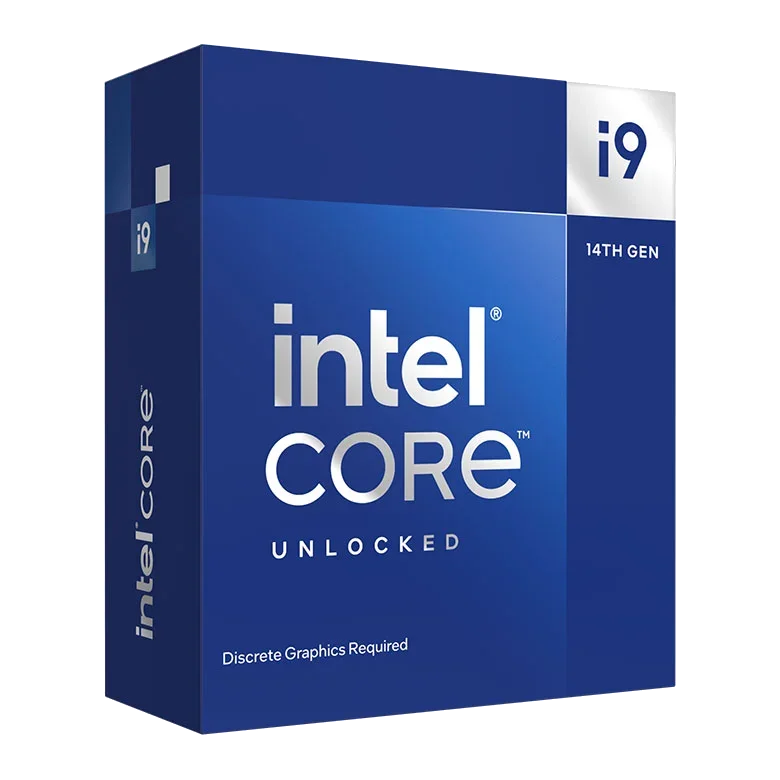
The top-of-the-line, the Intel i9 CPU. The Intel i9 processor series represents the peak of performance in Intel's lineup, the best of the best, designed for enthusiasts and professionals who require the highest levels of computing power from their PC build. With its increased core count, ranging from 8 up to 24, along with advanced technology and architecture, the i9 is built specifically to handle resource-intensive applications effortlessly, making it the best CPU solution for virtually any PC task under the sun.
It includes all the features of lower-tier CPUs but with much more power. For instance, i9 CPUs can operate at higher clock speeds, greatly boosting performance for basic tasks and everyday computing.
This capability makes i9 processors the preferred choice for professional overclockers aiming to break world records, as it enables them to push the CPU well beyond its factory settings — the primary objective in overclocking competitions. Thanks to its robust thermal management system, it also attracts most tech enthusiasts who enjoy customizing their systems, not just for looks but also to enhance performance.
i3, i5, i7, or i9: Which Should you Choose?
Choosing between Intel i3, i5, i7, and i9 really depends on what you need and your budget. If you're mostly just browsing or streaming, the i3 is more than enough. For gamers and content creators, the i5 offers a nice balance of power without a big price tag. If you're working with high-resolution video editing or complex simulations, the i7 provides a noticeable boost.
And for serious gaming or demanding applications, the i9 is the way to go. While it's more expensive, the incredible performance benefits—especially for prosumers and content creators—can make it worth every penny, since it can handle heavy workloads much faster than other CPUs on the market.
It's important to note that not all Intel CPUs come with coolers, and even if they do, a more robust solution like a CORSAIR AIO will always perform better than the stock heat sink.
When did this Naming Convention Start?
This naming scheme began in 2006, marking a major change in Intel’s CPU lineup with the launch of the Intel Core processors. The i7 was the first model to be introduced during this initial release. Later, the i5 was launched in 2009, followed closely by the i3 in 2010. The i9 designation was added in 2017 as a premium choice for enthusiasts and professionals.
The Intel Core series received widespread praise from the PC community, as it appeals to a broad audience, from casual users to high-performance gamers and content creators. PC enthusiasts of all levels, including early streamers and content creators who entered the genre at its inception, now have genuine options for CPUs that suit their specific needs, tailored to their individual use cases.
ПРОДУКТИ В СТАТИЯ
JOIN OUR OFFICIAL CORSAIR COMMUNITIES
Join our official CORSAIR Communities! Whether you're new or old to PC Building, have questions about our products, or want to chat the latest PC, tech, and gaming trends, our community is the place for you.