BLOG
RTX 5060 / 5060 Ti vs RTX 5070: What’s the Difference?
Short answer: All three are Blackwell‑generation GeForce RTX 50‑series cards with DLSS 4 and the latest display I/O. The RTX 5070 is a clear step up for 1440p (and entry 4K with DLSS), thanks to more cores, a wider memory bus, and higher power budget. The 5060 Ti is the sweet spot for fast 1080p or lighter 1440p, and the 5060 is the most affordable path into the new features
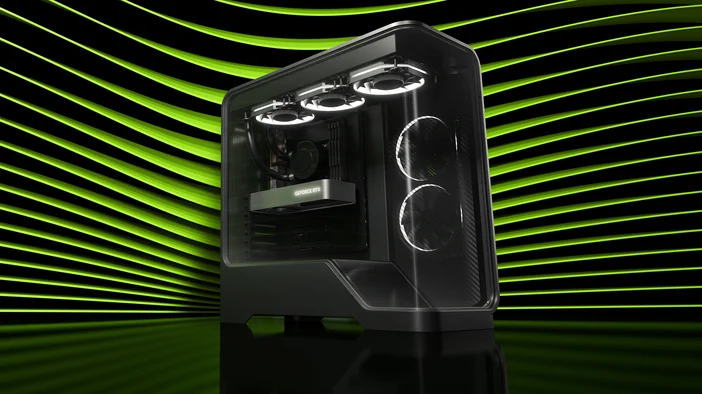
What do they have in common?
All three are built on NVIDIA Blackwell, support DLSS 4 with Multi Frame Generation (MFG), Reflex 2, PCIe Gen 5, AV1 encode/decode, and ship with the ninth‑gen NVENC video encoder. They also add modern display bandwidth (DP 2.1b / HDMI 2.1b). Translation: higher frame rates (especially with AI assistance), lower latency, and better creator/tooling support even on the cheaper cards.
Specs at a glance
| RTX 5060 | RTX 5060 Ti | RTX 5070 | |
|---|---|---|---|
| Architecture | Blackwell | Blackwell | Blackwell |
| CUDA Cores | 3,840 | 4,608 | 6,144 |
| Boost Clock | 2.50 GHz | 2.57 GHz | 2.51 GHz |
| VRAM | 8GB GDDR7 | 8GB / 16GB GDDR7 | 12GB GDDR7 |
| Memory Bus | 128‑bit | 128‑bit | 192‑bit |
| Total Graphics Power (TGP) | 145W | 180W | 250W |
| NVENC | 1× 9th‑gen | 1× 9th‑gen | 1× 9th‑gen |
| Display Support | DP 2.1b / HDMI 2.1b (up to 4K480 or 8K165 with DSC) | DP 2.1b / HDMI 2.1b (up to 4K480 or 8K165 with DSC) | DP 2.1b / HDMI 2.1b (up to 4K480 or 8K165 with DSC) |
| Launch MSRP | $299 | $379 (8GB) / $429 (16GB) | $549 |
| Launch Date (2025) | May 19 | Apr 16 | Mar 5 |
- Specs and display limits per NVIDIA; MSRPs and dates per NVIDIA/Tom’s Hardware.
How do they perform?
- RTX 5070: Designed for 1440p max‑settings, and with DLSS 4 + MFG (Multi-frame Generation) it can push over 120 FPS in heavy ray‑traced titles at 1440p per NVIDIA’s launch coverage. Independent testing generally pegs it ~20% faster than RTX 4070 in classic raster, with a 250W power budget. Think: easy 1440p, and entry‑level 4K if you lean on DLSS 4
- RTX 5060 Ti: A strong 1080p ultra / 1440p high card. NVIDIA and early press guidance point to about a ~20% gen‑on‑gen uplift (without MFG), with DLSS 4 adding more in supported games.
- RTX 5060: The most affordable path to DLSS 4 and DP 2.1b; best for 1080p today. It trails the Ti at 1440p but still benefits a lot from DLSS 4’s Multi Frame Generation in titles that support it.
Note: DLSS Multi Frame Generation (the new 4× mode) is a GeForce 50‑series feature; 40‑series cards support Frame Generation from DLSS 3. You’ll see that footnoted in NVIDIA’s own performance charts. The video below from Hardware for Gamers illustrates the differences.
Power, size, and connectors
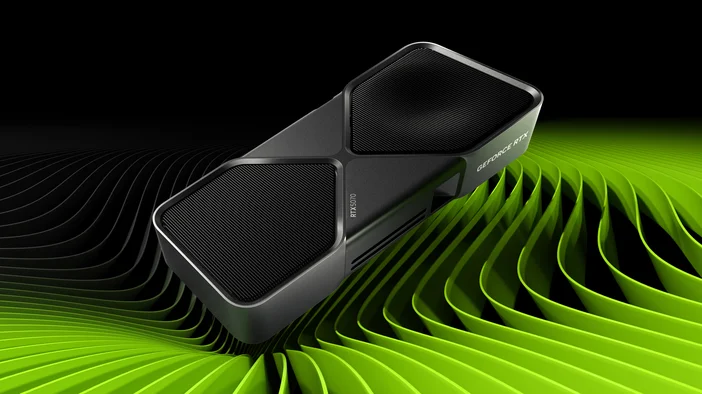
- 5070: 250W TGP, 650W recommended PSU. Ships with support for 12V‑2×6 (PCIe Gen 5) or 2× PCIe 8‑pin via the included adapter. Founders Edition length listed at ~242 mm.
- 5060 Ti / 5060: 180W and 145W TGPs respectively, 600W / 550W recommended PSUs, and typically a single 8‑pin (or PCIe Gen 5 cable). Easier fits for compact cases and mainstream PSUs
Pricing & availability (launch)
- RTX 5070: $549 MSRP; launched March 5, 2025 (Founders Edition followed later in March).
- RTX 5060 Ti: $379 (8GB) or $429 (16GB); launched April 16, 2025.
- RTX 5060: $299; launched May 19, 2025.
As usual, retail prices can float above MSRP around launch or during supply crunches.
Which one should you buy?
- Pick RTX 5070 if… you want 1440p max‑settings with headroom, you’re dabbling in entry‑level 4K with DLSS 4, or you value the wider 192‑bit bus + 12GB for modern textures. It’s the most “set‑and‑forget” option for the next few years.
- Pick RTX 5060 Ti if… you play at 1080p ultra (or 1440p with a few settings dialed back), and you’d like to spend less while still getting DLSS 4 / MFG and DP 2.1b for high‑refresh displays. The 16GB variant is the safer bet for texture‑heavy games.
- Pick RTX 5060 if… budget is the priority and 1080p is your target. You still get all the new platform features and modern display outputs.
RTX 5060 / 5060 Ti vs RTX 5070: FAQs
Do I need a new monitor or cable for these GPUs?
Not necessarily. They’re backward‑compatible with older HDMI/DP displays. But if you own (or plan to buy) high‑refresh 4K or 8K panels, these cards finally offer the DP 2.1b bandwidth to drive them properly.
Is 8GB of VRAM enough in 2025?
For 1080p on the 5060, usually yes with sensible texture settings; some newer games and texture packs can exceed that at 1440p. If you want more headroom without jumping to a 5070, the 5060 Ti 16GB is a good compromise. (Capacity recommendations here are pragmatic guidelines, not vendor claims.)
What about the RTX 5070 Ti?
It’s a tier above the 5070 with 16GB / 256‑bit, higher clocks, and 2× NVENC, but at 300W TGP and higher pricing. If you’re doing heavier creator work (video exports, multiple encodes) or pushing higher‑res textures, it’s worth a look.
ΠΡΟΪΟΝΤΑ ΣΕ ΑΡΘΡΟ
JOIN OUR OFFICIAL CORSAIR COMMUNITIES
Join our official CORSAIR Communities! Whether you're new or old to PC Building, have questions about our products, or want to chat the latest PC, tech, and gaming trends, our community is the place for you.