Today, everything is dominated by screens. From the phones we carry in our pockets to the gaming monitors on our desks and the TVs mounted in our living rooms, displays are everywhere.
LED and QLED are two of the most common display types, and though similarly named, they have key distinctions between them. Let's take a look at the differences.
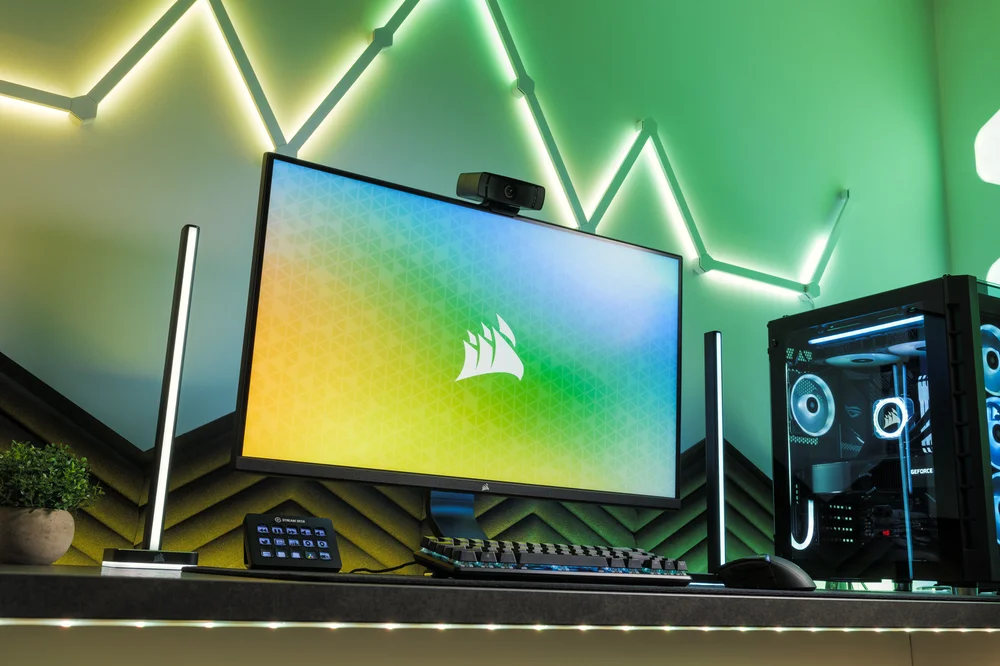
QLED vs LED
Firstly, here are the characteristics of LED and QLED displays at a glance. It's worth mentioning here that LED displays can vary wildly in image quality, and the same goes for QLED. So take this table with a pinch of salt as it's comparing the aspects of the panel technology in general.
| Feature | LED | QLED |
| Colors | 16.7 million | One billion |
| Brightness | Good | Excellent |
| Black Levels | Okay | Better (with local dimming) |
| Visual Quality | Good | Excellent |
| Energy Consumption | Better (lack of quantum dot layer) | Okay |
| Price Range | Low to mid-range | Mid to high-range |
First, What is QLED and LED?
To provide some background, both LED (Light Emitting Diodes) and QLED (Quantum Dot Light Emitting Diodes) are types of display technologies used in TVs, monitors, and other screen-based devices. LED displays utilize thousands of tiny lights called diodes that illuminate behind an LCD (Liquid Crystal Display) panel, while QLED displays use the same LED backlighting but with an added layer of quantum dots on top.
The difference between the two lies solely on the quantum dot layer. But how much difference does that actually make and how does it affect the viewing experience?
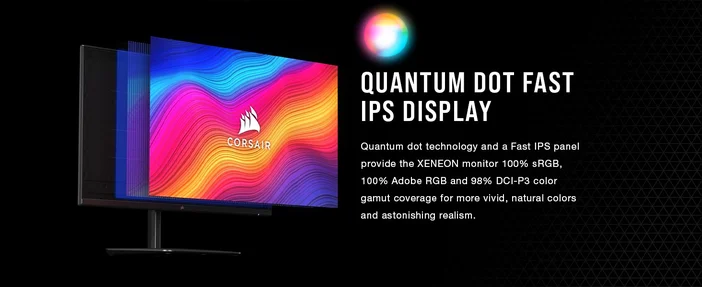
Color and Brightness
In terms of color and brightness, QLED displays hold a superior viewing experience. While LED displays are able to produce over 16.7 million colors on screen, the additional quantum dot layer enables QLED displays to reach over one billion colors. The result? QLED displays produce truer color accuracy and provide better performance overall in environments with more ambient light.
Additionally, a limitation of LED displays is their lack of ability to produce a true black color. Since the display relies on backlighting to produce images, dark scenes may appear washed out or greyish, as light is never fully turned off. This could potentially distract from full immersion, especially in low light viewing environments.
QLED displays are slightly better in this category, most noticeably when paired with technologies such as ‘local dimming’. The technology dims certain areas of the screen, providing greater control over color saturation and contrast.
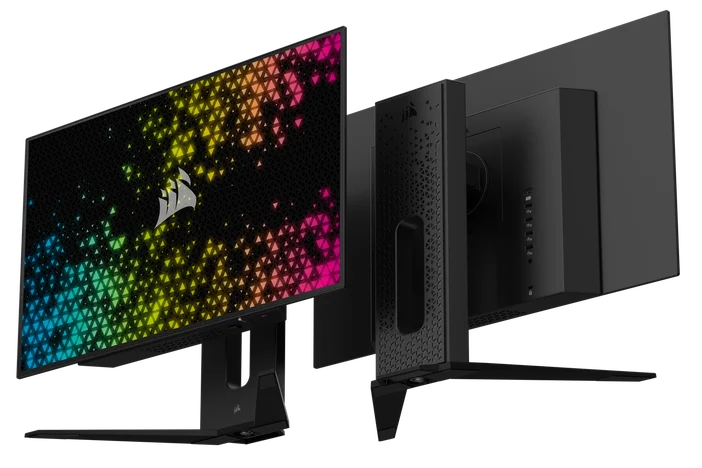
CORSAIR XENEON 315QHD165 utilizes QLED technology
Visual quality
When it comes to overall visual quality, both LED and QLED displays provide excellent experiences, especially in 4K and full HD resolutions. Typically, many LED displays are sufficient for casual gamers and everyday users. But for those seeking clearer visuals and enhanced color depth, QLED might be the better choice.
When displays can produce a wider range of colors between bright and dark areas, it is called HDR (High Dynamic Range). A greater HDR capability leads to improved picture quality, resulting in crisper and more enhanced visuals.
Thanks to the quantum dot layer, QLED displays produce deeper contrast and overall richer visual detail, making these displays perfect for those that are looking for a more immersive and vibrant viewing experience. This added layer also enhances HDR performance as the displays can achieve a broader range of colors, ultimately delivering clearer and more lifelike images.
Energy efficiency and Price
LED displays tend to run at lower peak brightness levels due to the lack of the quantum dot layer. Not only does this consume less power compared to QLED, but it also is a great buy for energy conscious consumers and casual users who do not highly prioritize ultra-bright visuals.
On the other hand, if brightness is what you are looking for, you might be looking at higher energy consumption. The added layer in QLED displays produce the brightest of visuals, which is a trade-off to consider when picking your next display.
As for pricing, LED displays are typically more affordable, falling in low to mid-range categories, while QLED technology are more expensive and are generally priced at a premium.
So, which one is better?
At the end of the day, whether you choose a LED or QLED display is really up to preference. Each technology produces a unique visual experience, with different characteristics in color, brightness, and overall image quality. Understanding your own needs when it comes to these factors can help to make the right choice for you.
PRODUCTS IN ARTICLE
JOIN OUR OFFICIAL CORSAIR COMMUNITIES
Join our official CORSAIR Communities! Whether you're new or old to PC Building, have questions about our products, or want to chat about the latest PC, tech, and gaming trends, our community is the place for you.