SÕNASTIK
What is Ethernet?
Ethernet is a widely-used networking technology that enables computers and devices to communicate with each other in a local area network (LAN). Originally developed in the 1970s, Ethernet has become the backbone of modern wired networks due to its reliability, speed, and ease of use.
How Does Ethernet Work?
Ethernet works by sending data packets through cables using standardized protocols. Devices on an Ethernet network communicate using unique addresses known as Media Access Control (MAC) addresses. These addresses allow each device to identify itself and the intended recipient when sending and receiving data.
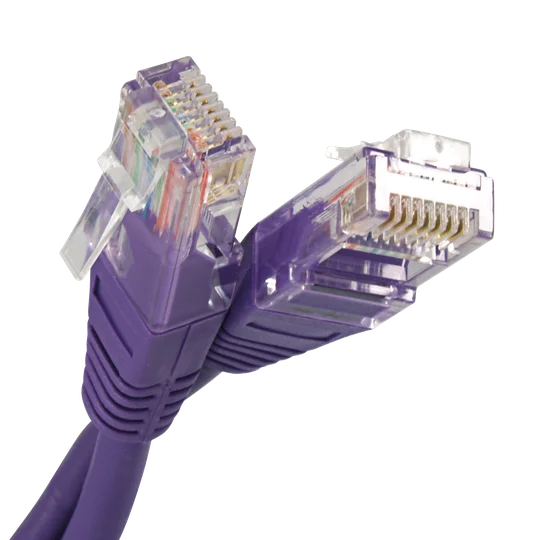
Ethernet commonly utilizes twisted pair cables (such as Cat5e or Cat6), which connect to devices using an RJ45 connector. Data packets are managed by switches or routers, which efficiently direct information to the correct destination device.
Types of Ethernet
Ethernet comes in various speeds and formats, each designed to meet specific performance needs:
- Fast Ethernet (100BASE-T): Provides speeds up to 100 Mbps, suitable for basic home and office networks.
- Gigabit Ethernet (1000BASE-T): Offers speeds of up to 1 Gbps, widely adopted for home networks, gaming setups, and small businesses.
- 10 Gigabit Ethernet (10GBASE-T): Delivers speeds up to 10 Gbps, ideal for data centers, professional multimedia editing, and high-performance computing setups.
Advantages of Ethernet
- Reliability: Wired connections minimize interference and signal loss compared to wireless networks (Wi-Fi).
- Security: Ethernet connections are inherently more secure as physical access to cables is required to intercept data.
- Speed and Consistency: Ethernet provides stable, high-speed connectivity that is essential for gaming, streaming, and large file transfers.
Ethernet and Gaming
For gamers, Ethernet connections are particularly beneficial, offering lower latency and more stable connectivity compared to wireless networks. Reduced latency means faster response times, providing a competitive advantage in fast-paced games.
Future of Ethernet
Ethernet continues to evolve to meet growing bandwidth demands. While 10 Gigabit Ethernet is becoming more affordable for enthusiasts and small businesses, data centers are already deploying 25GbE, 40GbE, 100GbE, and even 400GbE connections.
For home users and PC builders, the next frontier includes:
- 2.5 Gigabit and 5 Gigabit Ethernet: These intermediate speeds are gaining traction in consumer hardware, offering better performance than 1GbE without requiring the infrastructure investment of 10GbE
- Power over Ethernet (PoE): Advanced PoE standards like PoE++ deliver up to 90W, enabling more powerful devices to operate through a single cable
- Single Pair Ethernet (SPE): This emerging technology promises to bring Ethernet connectivity to IoT devices and automotive applications using just two wires
As internet speeds increase and applications like 8K streaming, cloud gaming, and virtual reality become mainstream, Ethernet's role in providing reliable, high-speed connectivity will remain crucial. The technology's ability to deliver consistent performance while maintaining backward compatibility ensures it will continue to be the foundation of wired networks for decades to come.