When AMD (and Intel) develops a new processor, it doesn’t just make one chip. It makes a family. There are plenty of reasons for this, including cost, efficient use of wafers, and the need to serve different market segments: from high-end gamers to casual users who just want to browse the web or handle basic tasks.
Modern processors are defined by many factors, including base and boost clock speeds, the number of cores (both physical and logical), and additional features like overclocking support, cache size, power draw, integrated graphics, and PCIe lanes count.

Ryzen 5, Ryzen 7 & Ryzen 9 Comparison
The main differences between these chips for the latest Ryzen 9000 series can be summed up like this:
| CPU Cores | Max. Boost Clock | Market Segment | |
| Ryzen 9 | 12 / 16 | Up to 5.7 GHz | Professional |
| Ryzen 7 | 8 | Up to 5.5 GHz | Enthusiasts and Gamers |
| Ryzen 5 | 6 | Up to 5.4 GHz | Mainstream |
That’s a broad overview of the lineup, and what separates each line, but it’s worth digging into the details to better understand what each tier offers.
Ryzen 9
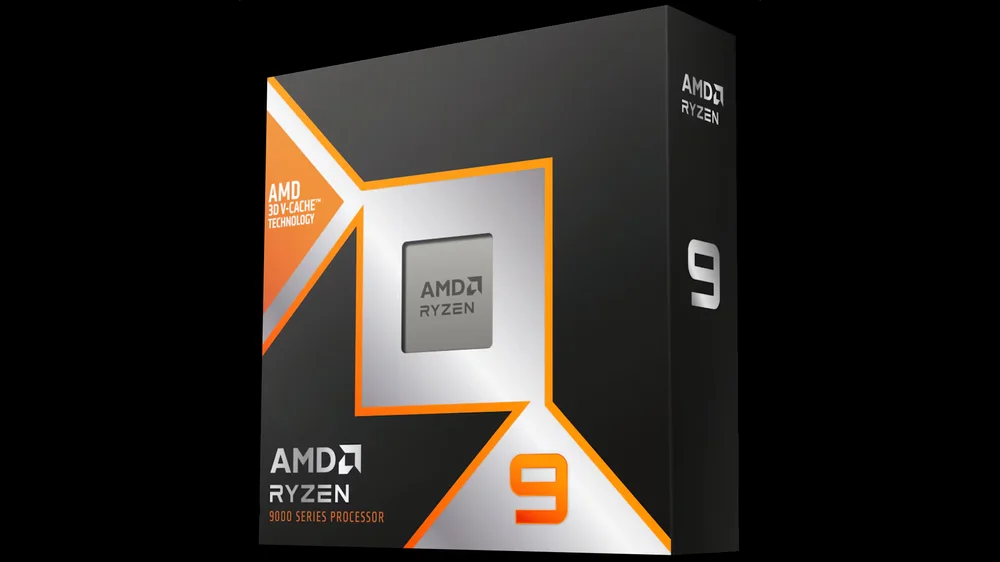
AMD Ryzen™ 9 chips sit at the top of AMD’s desktop stack. They offer the highest core counts, the fastest Maximum Boost clock speeds, the most features, and unsurprisingly, the steepest price tags. They also come with the highest default Total Design Power (TDP), so you’ll need some serious cooling, such as the CORSAIR TITAN RX 360 AIO, and a high-end motherboard to unlock their full potential.
Gamers probably do not need these top-tier chips, such as the AMD Ryzen 9 9950X3D, since most games will not take advantage of all those extra cores. That money could be better spent elsewhere. That said, if you want the absolute best AMD has to offer, this is the range to consider. For professionals, where time is money, the performance makes these chips an easy choice. They constantly top benchmark charts.
| Cores / Threads | Base Clock | Max. Boost | L3 Cache | TDP | |
| AMD Ryzen 9 9950X3D | 16 / 32 | 4.3 GHz | Up to 5.7 GHz | 128 MB | 170 W |
| AMD Ryzen 9 9950X | 16 / 32 | 4.3 GHz | Up to 5.7 GHz | 64 MB | 170 W |
| AMD Ryzen 9 9900X3D | 12 / 24 | 4.4 GHz | Up to 5.5 GHz | 128 MB | 120 W |
| AMD Ryzen 9 9900X | 12 / 24 | 4.4 GHz | Up to 5.6 GHz | 64 MB | 120 W |
- X – Higher clock speed and TDP
- X3D – Indicates the presence of 3D V-cache, which adds a large chunk of L3 cache to the CPU package significantly boosting gaming performance.
Ryzen 7
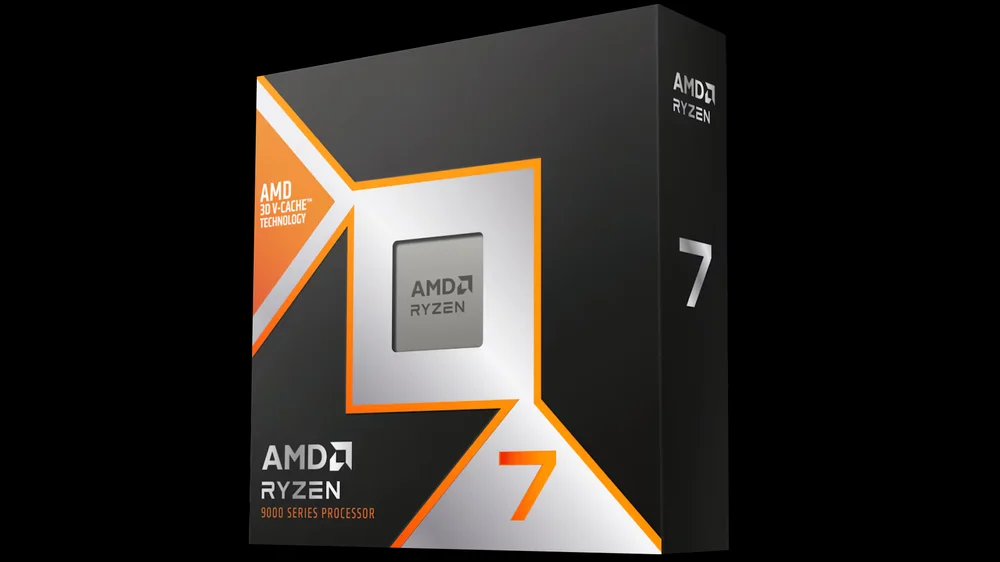
While Ryzen 9 chips sit at the top of AMD’s processor stack, the Ryzen 7 line is often the most appealing to gamers and most DIY PC builders. It offers strong performance without being overly expensive, includes X3D versions for serious gaming, and delivers solid core counts and frequencies along with support for all the features that matter.
There are only two Ryzen 7 chips in the current generation, but that feels like enough. The AMD Ryzen 7 9800X3D is an outstanding option for gamers, and the AMD Ryzen 7 9700X is a great all-rounder for everything else. Both are eight-core, 16-thread models with strong base and boost clocks that provide excellent performance across the board.
| Cores / Threads | Base Clock | Max. Boost | L3 Cache | TDP | |
| AMD Ryzen 7 9800X3D | 8 / 16 | 4.7 GHz | Up to 5.2 GHz | 96 MB | 120 W |
| AMD Ryzen 7 9700X | 8 / 16 | 3.8 GHz | Up to 5.5 GHz | 32 MB | 65 W |
Ryzen 5
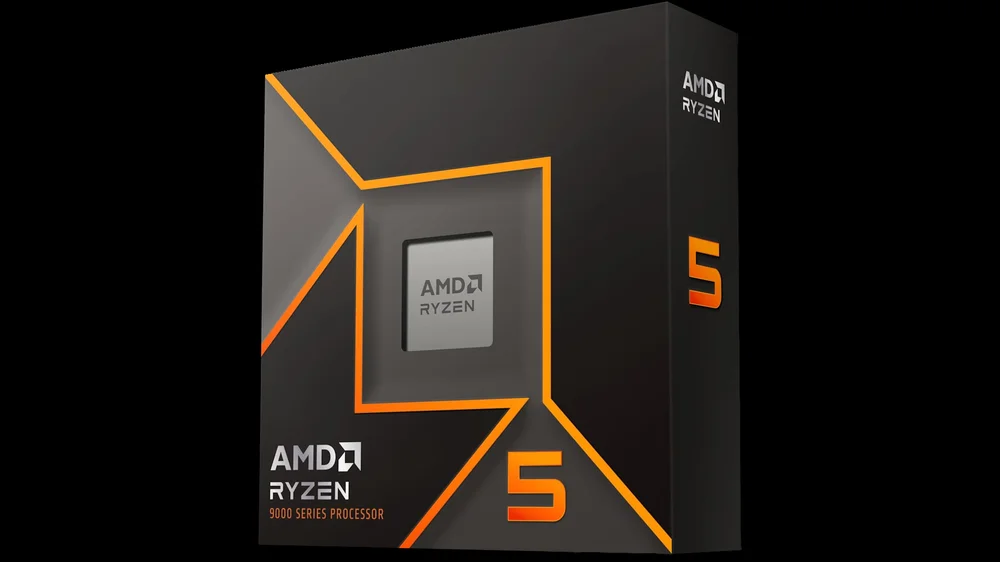
The Ryzen 5 name covers the mainstream for AMD’s latest processors and shows just how far modern CPUs have come. Where once you may have been looking at a quad-core chip, you now get a six-core offering capable of handling 12 threads at once. This means that even at the affordable end of the lineup, you are getting strong performance and enough power for most tasks.
There are currently only two Ryzen 5 chips in the 9000 series, although if past generations are any indication, more may follow. The difference between the Ryzen 5 9600X and Ryzen 5 9600 may seem subtle at first glance. Both have the same number of cores and the same 65W TDP. The Max Boost clocks differ by just 200MHz, and the Base clocks by 100MHz. The non-X version includes an AMD Wraith Stealth cooler, which signals that it is not aimed at high-performance builds.
In reality, there is very little between these chips, so pick whichever fits your budget and needs best.
| Cores / Threads | Base Clock | Max. Boost | L3 Cache | TDP | |
| AMD Ryzen 5 9600X | 6 / 12 | 3.9 GHz | Up to 5.4 GHz | 32 MB | 65 W |
| AMD Ryzen 5 9600 | 6 / 12 | 3.8 GHz | Up to 5.2 GHz | 32 MB | 65 W |
Ryzen 3
AMD has retired this designation on the desktop, with its last appearance in the Ryzen 8000 series. The AMD Ryzen 3 8300G was focused squarely on the budget end of the market. It is a four-core, eight-thread chip with reasonable integrated graphics, suitable for low-resolution gaming at best, although good luck finding one in the wild.
Will AMD release more Ryzen 3 chips in the future? It is hard to say, but there is certainly still a market for ultra-affordable CPUs.
A CIKKBEN SZEREPLŐ TERMÉKEK
JOIN OUR OFFICIAL CORSAIR COMMUNITIES
Join our official CORSAIR Communities! Whether you're new or old to PC Building, have questions about our products, or want to chat the latest PC, tech, and gaming trends, our community is the place for you.