GLOSSARY
What is DRAM?
PC Memory is one of the most essential elements in a PC system, and CORSAIR has been the go-to Memory solution for high-performance PC systems longer than any other manufacturer. With that, we've earned a reputation for technology, quality, compatibility, and performance PC Memory within the enthusiast and mainstream DIY PC market.

What is DRAM?
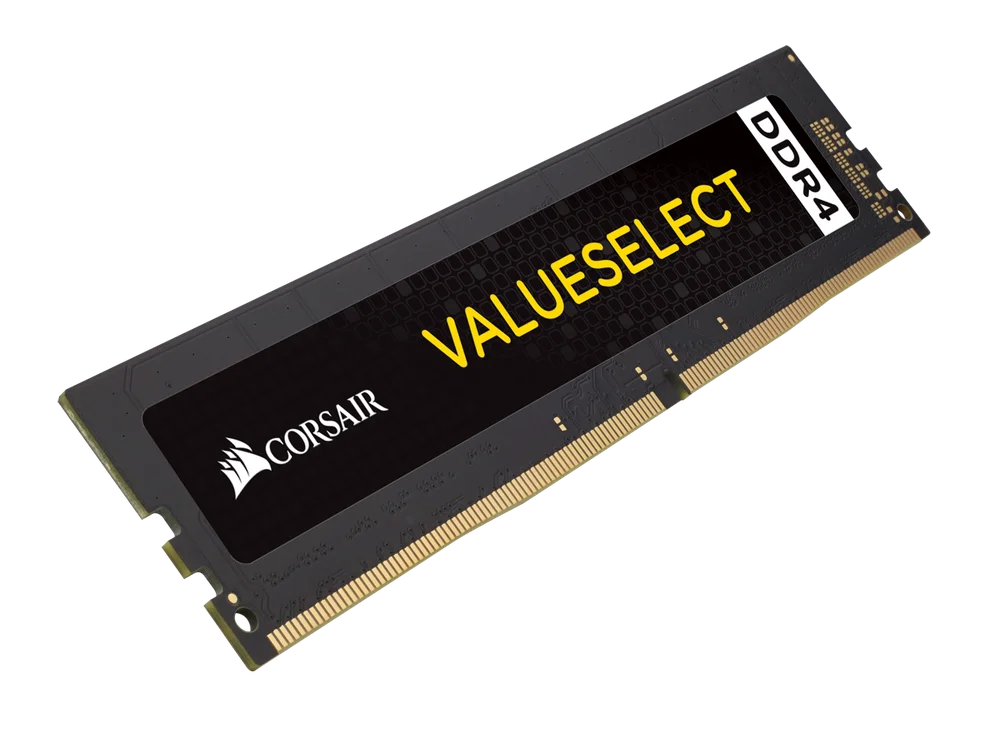
DRAM stands for Dynamic Random Access Memory (DRAM). It plays a vital role in today’s PC computing world, acting as the main type of volatile memory found in PCs. It may not be the most visible hardware in your PC build, but it is one of the key components that significantly impacts the overall performance of your system. DRAM is a type of volatile memory used in computers to store data that the CPU needs to access quickly and temporarily, meaning the information needs to be refreshed continuously. Still, it’s this very aspect that lets DRAM pack in more data at lower costs, making it the go-to choice for system memory in desktops and laptops.
What is the Function of DRAM?
Think of it this way: if the CPU functions as the brain executing instructions, then DRAM serves as the temporary memory for data processing, allowing the CPU to transfer information to its next designated point. It holds data temporarily, including game files, chat apps, video and photo editing software, and productivity tools, all of which the CPU needs for quick access. This capability facilitates efficient multitasking and smooth application performance. Unlike permanent storage, DRAM is volatile, meaning it requires a continuous power supply to retain its information. Essentially, DRAM narrows the speed gap between the PC processor and storage devices, such as HDDs and SSDs, ensuring the quick availability of frequently accessed data.

Another way to explain this using an office environment metaphor is that the desk (DRAM) represents a workspace where the office worker (CPU) places paperwork that needs to be completed. Increasing the amount of RAM is like acquiring a larger desk – the bigger the desk, the more paperwork you can handle at once.
Thanks to continuous technological advancements, DRAM has evolved through several generations, including DDR4 and DDR5 (current generation), providing faster speeds and improved energy efficiency. This evolution significantly enhances overall system performance and responsiveness for various applications.
DRAM Terminologies
RAM (Random Access Memory)
- A PC component that’s made up of memory cells where data and instructions are stored temporarily while your PC is actively in use for quick accessibility.
Memory Frequency
- Memory speed is measured in MHz (Megahertz) - the maximum number of clock cycles per second that the RAM operates on.
- Example: 32GB DDR5-6400 CL32 RAM = 6400MHz Speed
Higher memory frequency = Faster processing.
Memory Capacity
- Memory capacity measured in GB (Gigabyte) - the amount of data that can be stored at any given time in the memory.
- Example: 32GB DDR5-6400 CL32 RAM = 32 gigabytes of data can be stored.
- Larger memory capacity = Allows multiple programs to be run simultaneously.
Memory CAS (Column Address Strobe) Latency
- Measured in nanoseconds - the time delay between when a command is initiated and when data is available
- Example: 32GB DDR5-6400 CL32 RAM = 32ns is the time that it takes each clock cycle to complete a task.
- Lower CAS Latency = Faster memory response
DDR (Double Data Rate) vs SDRAM (Synchronous Dynamic Random Access Memory)
- SDRAM - A Single word of data is transmitted per cycle (single data rate)
- DDR - Transfers data twice per clock cycle
- DDR5 - The 5th and current generation of DDR memory.
SODIMM (Small Outline Dual In-line Memory Module)
- SODIMMs are used in small and portable systems such as laptops or small form factor machines.
- Standard DIMM is over 5 inches, and SODIMM is slightly over 2.5 inches long.
MCH (Memory Controller Hub)
- The memory controller is responsible for reading, writing, and refreshing data that is exchanged between the RAM and other components.
- They are either separated from the CPU or integrated into the CPU.
What are the different generations of DRAM?
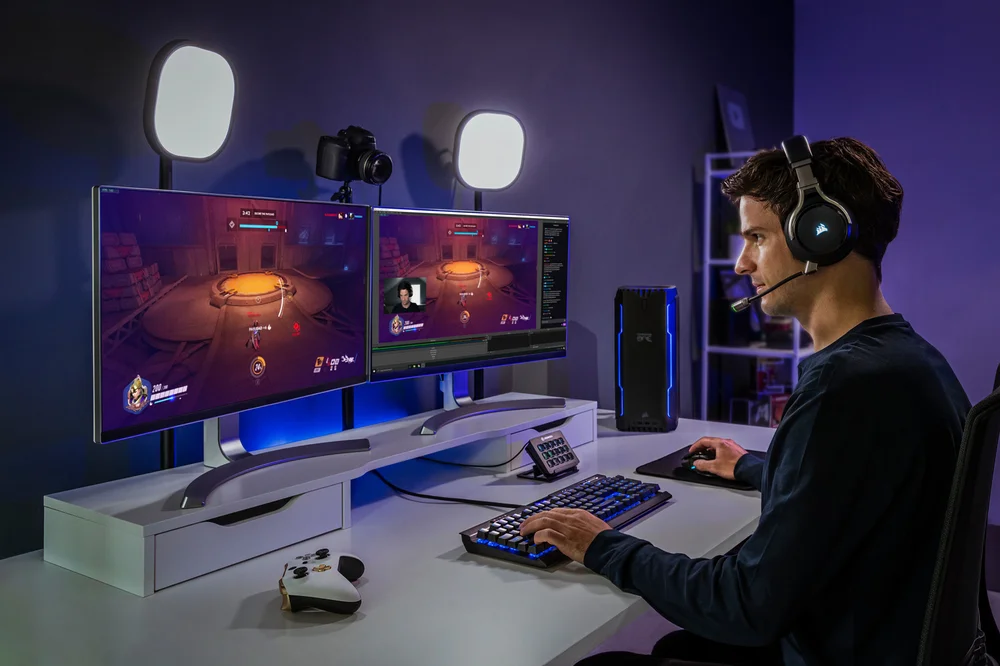
Since its inception, Dynamic Random Access Memory (DRAM) has undergone significant advancements, providing increased speed, capacity, efficiency, and technological improvements to meet the growing demands of modern PC usage. Today, applications such as gaming, streaming, productivity, and content creation rely heavily on PCs, with DRAM playing a crucial role in supporting various applications.
The first generation, known as SDRAM (Synchronous DRAM), synchronized with the system clock to improve performance. This was followed by DDR (Double Data Rate) SDRAM, which doubled the data transfer rate by transferring data on both the rising and falling edges of the clock cycle. Subsequent generations, including DDR2, DDR3, and DDR4, introduced further improvements such as increased bandwidth and reduced power consumption. The latest generation, DDR5, offers even higher speeds and greater efficiency, catering to the demands of modern computing applications.
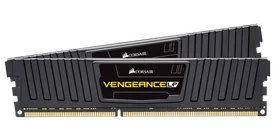
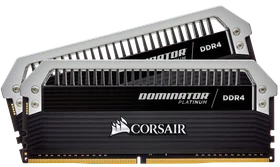
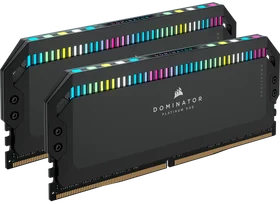
DDR5, The latest DRAM Generation
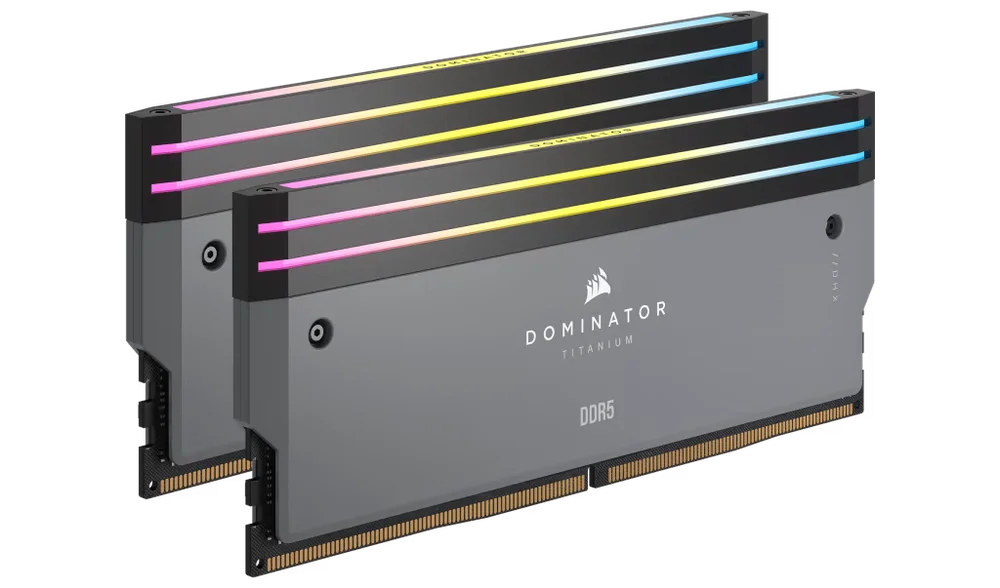
DDR5 is the fifth iteration of DDR memory, doubling its bandwidth and capacity compared to previous versions. Like new processors and graphics cards that increase core counts, thread counts, and clock speeds, each new memory generation aims to expand capacity. This allows applications to handle more tasks simultaneously and often leads to more efficient computing.
The Dominant Force
CORSAIR has been providing high-performance memory for PC systems longer than any other manufacturer. To this day, we take pride in this category because it remains the leader in the PC memory market.

The DOMINATOR Memory line is such an iconic figure in the industry, truly in a class of its own. For years, many have tried to imitate it, but none have been able to duplicate it, both in design and performance.