BLOG
Hyper-Threading Explained
Hyper-Threading (HT) or Hyper-Threading Technology (HTT) is the name Intel gives to the Simultaneous Multithreading (SMT) capabilities of some of its processors. The technology improves performance by duplicating some of the non-execution sections of the processor to allow a single processor core to appear as two logical processors to the operating system.
The OS addresses these two logical cores and shares the workload between them. This allows the processor to handle multiple threads at the same time, by managing resources to ensure the execution units are kept busy.
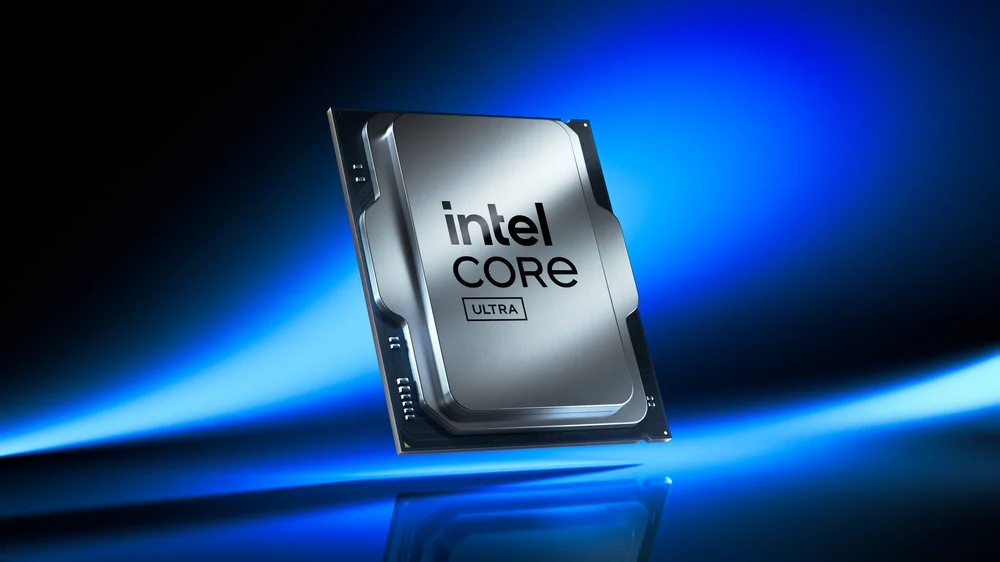
There are several benefits to hyper-threading, including improved efficiency and resource use, as well as the all-important bump in performance. Intel claims as much as 30% performance improvement for chips with hyper-threading compared to those without. Not bad for something that adds just 5% to the chip silicon. When you consider that a new processor generation generally only results in single-digit percentage improvements, that’s not something you can turn your nose up at.
Hyper-Threading isn’t without its problems, though. Some applications not only fail to show improvements with it enabled but can show worse performance. Hyper-threading has been shown to introduce security vulnerabilities as well, specifically side-channel attacks, leading to the OpenBSD operating system for one disabling hyper-threading for security reasons. There have also been claims that simultaneous multithreading can use up to 46% more power than traditional designs.
Hello Hyper-Threading
Intel introduced hyper-threading in 2002 initially with its workstation-focused Xeon processors before including it in the Pentium 4 in the same year. Hyper-Threading has been a feature of most of its processors ever since. Since that time CPU core counts have increased significantly, and with hyper-threading, that means you’re looking at modern processors being able to handle up to 32 threads at once, in the likes of the Core i9-13900.
As we said in the opening, hyper-threading is Intel’s brand name for simultaneous multithreading (SMT), but obviously AMD wasn’t going to sit idly by as Intel got to play with up to 30% of free performance. So, while AMD would never use hyper-threading branding, it did embrace SMT with its first Zen processors and has been benefiting from the technology since. AMD has been pushing the core counts ever skyward as well, and just like Intel, with the likes of the Ryzen 9 9950x, you’re looking at its top-end desktop chips handling up to 32 threads at once.

Goodbye Hyper-Threading
If this all paints a rosy picture of hyper-threading’s health, then you may be surprised to find that Intel’s CPU-doubling technology isn’t on the feature lists of its more recent processors. As an example, Intel’s recently released Core Ultra 9 285K has eight Performance cores and 16 Efficient cores, with no sign of hyper-threading on either type. This points to a change on how processors are being designed, and it was basically deemed that hyper-threading simply doesn’t deliver in the way it used to with these new “Hybrid” processors.
Intel moved over to a Hybrid design with its 12th-generation Core processors. These are CPUs that have Performance and Efficient cores, aping the big.LITTLE approach that ARM achieved with its processors. Essentially there are two types of cores inside the chip that can be used for different workloads to offer improved efficiency compared to previous CPU designs. Initially Intel still supported hyper-threading on the Performance cores, but dropped that with the latest generation, instead electing to essentially double the number of the Efficient cores instead.
AMD doesn’t look like it’s in a rush to follow Intel’s lead to produce a full-on hybrid design, instead focusing on its X3D cache technology to give it a performance lead. So simultaneous multithreading is going to be with us for a while yet, just maybe not with the hyper-threading label.
产品注册
JOIN OUR OFFICIAL CORSAIR COMMUNITIES
Join our official CORSAIR Communities! Whether you're new or old to PC Building, have questions about our products, or want to chat the latest PC, tech, and gaming trends, our community is the place for you.