Ethernet cables are the industry standard when it comes to networking, and connecting your PC to the internet via a cable is a great upgrade to make, but are all ethernet cables created equally?
Unfortunately, much like HDMI, DisplayPort, and any other cable that exists in this universe, the answer is no, and it's a more complicated "no" than it needs to be.
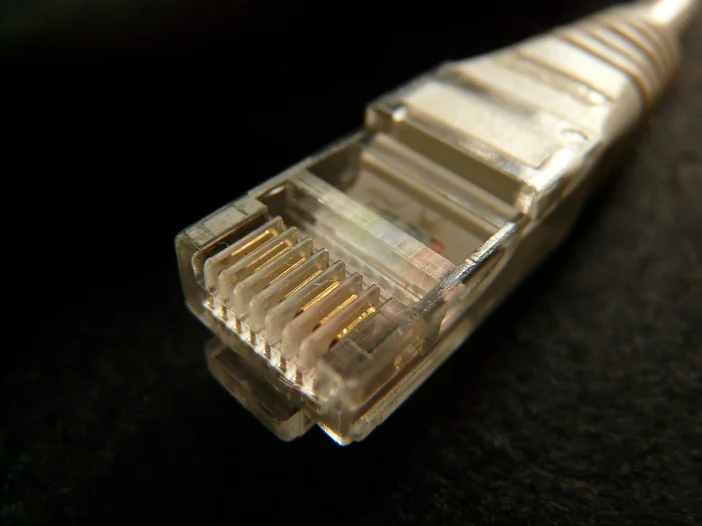
Cat5e
Cat5E or Category 5 Enhanced is an updated version of Cat5. The key difference is that it's up to ten times faster allowing up to 1Gbps over a distance of up to 100m without being affected by crosstalk (interference).
It is a slim flexible cable that has been used for many years to connect workstations to the network in office environments and home computers and other devices to routers in homes.
Cat6
Cat6 is, as its name would suggest, slightly more modern than Cat5e. It remains backward compatible with older cables such as Cat5e and Cat5 though, with support even for Cat3 cables.
Cat6 allows for up to a 10Gbps connection over a 55m length, dropping to 1Gbps over 100m spans without crosstalk.
The cable is slightly thicker and stiffer than Cat5e and has become the standard network cable in server situations and connections requiring higher bandwidths. Scenarios like these can easily require speeds that exceed 1Gbps so the additional bandwidth is needed.
Bandwidth differences
The bandwidth of the cable helps determine a number of factors. Cat5e can operate at a frequency of 100Mhz while Cat6 can operative at a frequency of 250MHz. This means Cat6 can process more than twice the data of cat5e over a given time.
The simplest way to think of this would be Cat6 is like running multiple Cat5E cables to get the same amount of data transfer.
Other benefits
- Overall in most modern solutions Cat6 is preferred as it future proof the network and allows for other functions.
- While Cat5e can operate PoE devices Cat6 is preferred simply for the increased bandwidth.
- Cat6 uses a thicker gauge copper in its construction reducing resistance and improving performance overall.
- Cat6 contains a plastic core, this helps reduce cross talk over longer distances but also adds rigidity and thickness to the cable itself.
JOIN OUR OFFICIAL CORSAIR COMMUNITIES
Join our official CORSAIR Communities! Whether you're new or old to PC Building, have questions about our products, or want to chat about the latest PC, tech, and gaming trends, our community is the place for you.