G‑SYNC Pulsar is the latest version of G-SYNC, which was originally introduced way back in 2013, banishing screen tearing and sluggish response times with variable refresh rates (VRR). Prior to G‑SYNC, gamers could either use V‑SYNC to enjoy a smooth, flicker‑free frame rate or go for a responsive gaming experience instead, albeit one beset with screen tearing. There was no easy way of doing both though, which basically meant that no one was really that happy. Nvidia set out to change all that, and it’s a journey that’s still going on today. Before we go any further, it’s worth explaining what VRR is and how it works.
Variable Refresh Rate allows a monitor to adjust its refresh rate in real time to match the output from your graphics card. Instead of refreshing at fixed intervals, such as 60 Hz, the display waits for a new frame to be completed before refreshing, ensuring every frame is shown as soon as it is completed. This synchronization prevents screen tearing, while also avoiding input lag and stuttering, which are traditionally associated with V‑SYNC. VRR is especially important when it comes to high frame rates and fast‑paced games, such as first person shooters.
Since its original introduction, Nvidia has tweaked G‑SYNC a few times, adding support for HDR along with its Reflex Latency Analyzer. AMD has also joined the fray, with its open‑standard take on the same idea in the form of FreeSync. The main difference here is that while G‑SYNC requires a specific module for it to work, FreeSync does not. Intel supports Adaptive Sync, which is essentially the same technology powering FreeSync, albeit under a slightly different name.
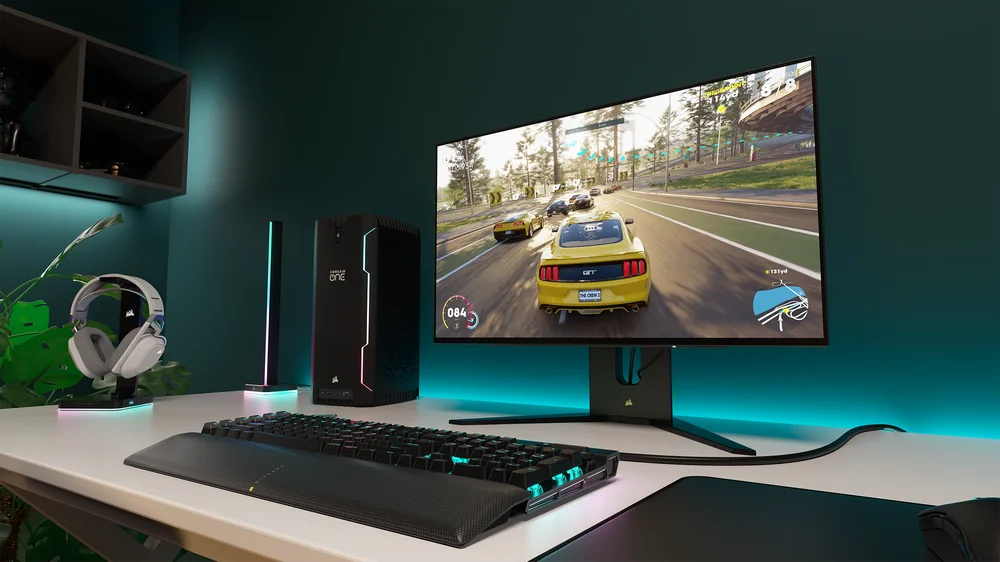
XENEON 27QHD240 OLED 27-Inch Gaming Monitor is Nvidia G-SYNC compatible.
The G-SYNC Pulsar Difference
On the face of it, G‑SYNC Pulsar offers the same benefits as the original G‑SYNC, namely a stutter‑free visual experience with buttery smooth motion. What is different here though is the addition of variable frequency backlight strobing, which effectively offers 4x the motion clarity. If you’re playing a game at 250 fps, this delivers a perceived improvement in terms of motion clarity of over 1,000 Hz, increasing the clarity and visibility of content in motion, enabling you to track and shoot targets with increased precision.
The most obvious beneficiary here is the not‑so‑humble first person shooter, as seen above in Counter‑Strike 2. When every effective frame matters and spotting the enemy a few frames sooner can mean the difference between life, death, and winning a lucrative tournament, it’s easy to see that esports pros will be clamoring to get their hands on a screen packing this technology. It’s not just that genre though, and the video below shows a much smoother pan in Anno 117: Pax Romana as well.
How G-SYNC Pulsar works
Essentially, G‑SYNC Pulsar builds on VRR by combining it with variable frequency backlight strobing, a technique designed to reduce LCD motion blur. This blur comes from each frame remaining visible until the next one arrives, which under fast motion can cause objects to appear blurred as the eye tracks movement across the screen. This is not the same as in‑game motion blur.
With G‑SYNC Pulsar, the monitor briefly pulses its backlight in precise sync with each frame, only illuminating pixels once they have fully transitioned to their new state. This strobing is done dynamically, on a per‑frame basis, and remains fully synchronized with VRR. By reducing the amount of time each frame is visible to the eye, Pulsar significantly lowers perceived motion blur.
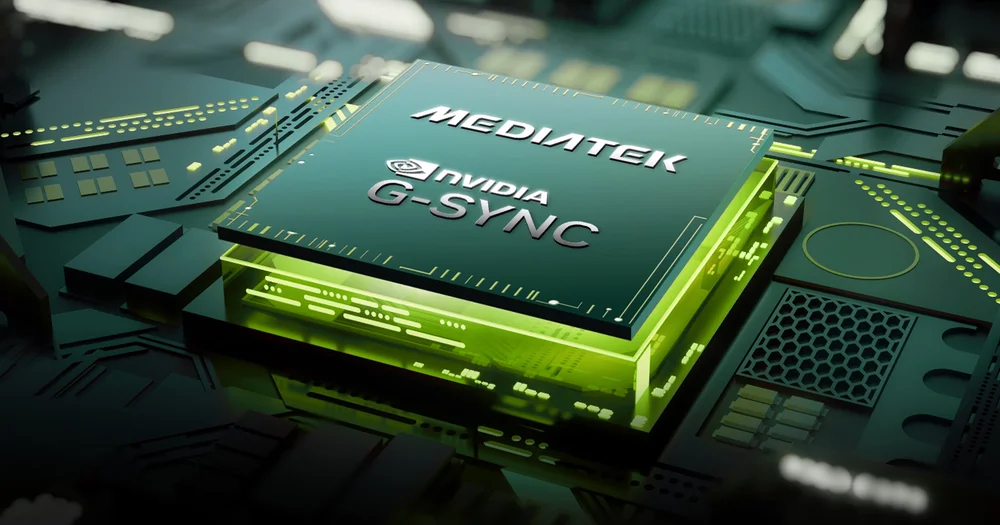
G-SYNC Pulsar Implementation
There’s an important shift with G‑SYNC Pulsar when it comes to how it’s physically implemented too. The original G‑SYNC required a dedicated module to be installed into the monitor, whereas for Pulsar, Nvidia has collaborated with MediaTek to enable G‑SYNC to be incorporated directly into the display scaler, removing the need for that module. This streamlines production and should mean that it is implemented into far more screens.
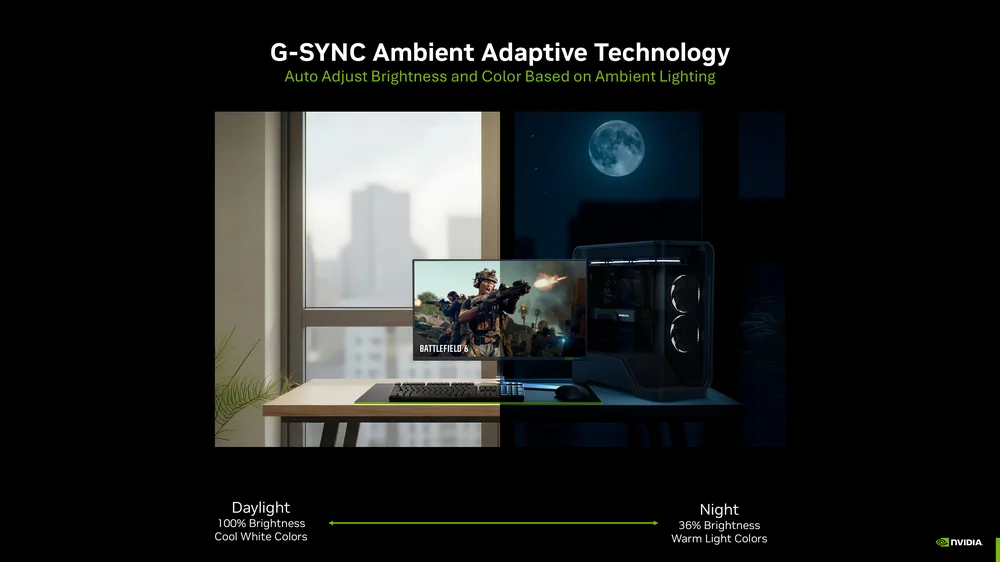
The initial screens to support G‑SYNC Pulsar were announced on January 7, 2026, with each one also supporting G‑SYNC Ambient Adaptive Technology. This isn’t baked into the Pulsar standard itself but does allow the color temperature and brightness to be automatically tuned for optimal viewing at any hour of the day or night.
G‑SYNC Pulsar is step-up for display technology, especially for competitive and high‑refresh gaming, pairing the fluidity of VRR with a major leap in motion clarity. For players who demand sharper visuals in fast‑moving scenes, it offers a clear advantage where it matters most. You can find more about G-SYNC Pulsar over on Nvidia's website.
PRODUCTS IN ARTICLE
JOIN OUR OFFICIAL CORSAIR COMMUNITIES
Join our official CORSAIR Communities! Whether you're new or old to PC Building, have questions about our products, or want to chat about the latest PC, tech, and gaming trends, our community is the place for you.