GLOSSARY
What is a LAN (Local Area Network)?
The concept of LAN began to take shape in the 1970s when people needed quick communication between computers that were close by. The first notable LAN, called ALOHA, was developed at the University of Hawaii in 1970. It used radio frequencies to connect multiple devices, allowing them to share a single radio channel efficiently, and laid the groundwork for technologies like Wi-Fi, Ethernet, and mobile phones. This innovation eventually led to Ethernet, created in the early 1970s by Robert Metcalfe at Xerox PARC. Ethernet became a huge success and marked the start of modern-day LANs.
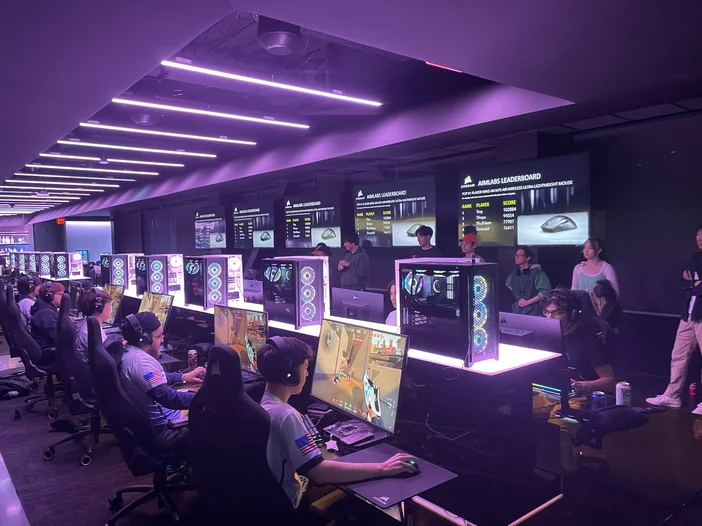
Whether you’re working, gaming, or streaming across devices, a LAN might be what keeps everything running smoothly and handles most of the heavy lifting instead of your Wi-Fi. A local area network (LAN) is a network that connects computers and devices within a limited area, such as a home, office, or campus. It allows devices to communicate and share resources like files, printers, and internet connections efficiently. LANs are typically managed locally and are designed to cover short distances. From offices to homes, LANs have quietly powered our lives for decades.
LANs typically use devices such as Ethernet cables, routers, switches, network cables, and Wi-Fi access points. All these components connect devices like computers, printers, servers, and more. There are two main types of LAN setups, wired and wireless, each offering its own advantages.
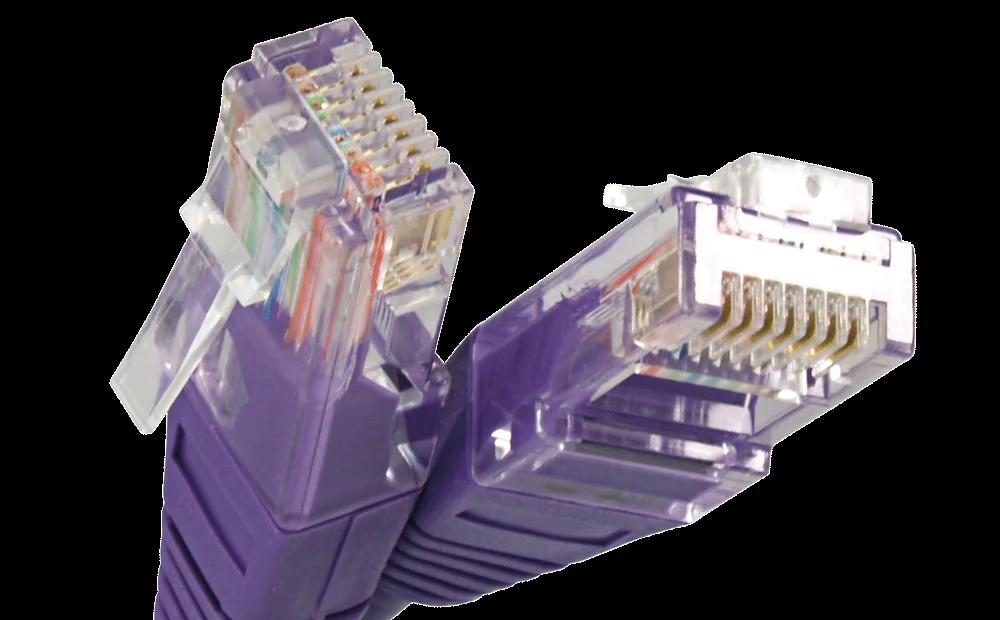
Wired networks offer greater speed, reliability, security, and connection integrity. However, they may require maintenance, lack aesthetic appeal, and flexibility.
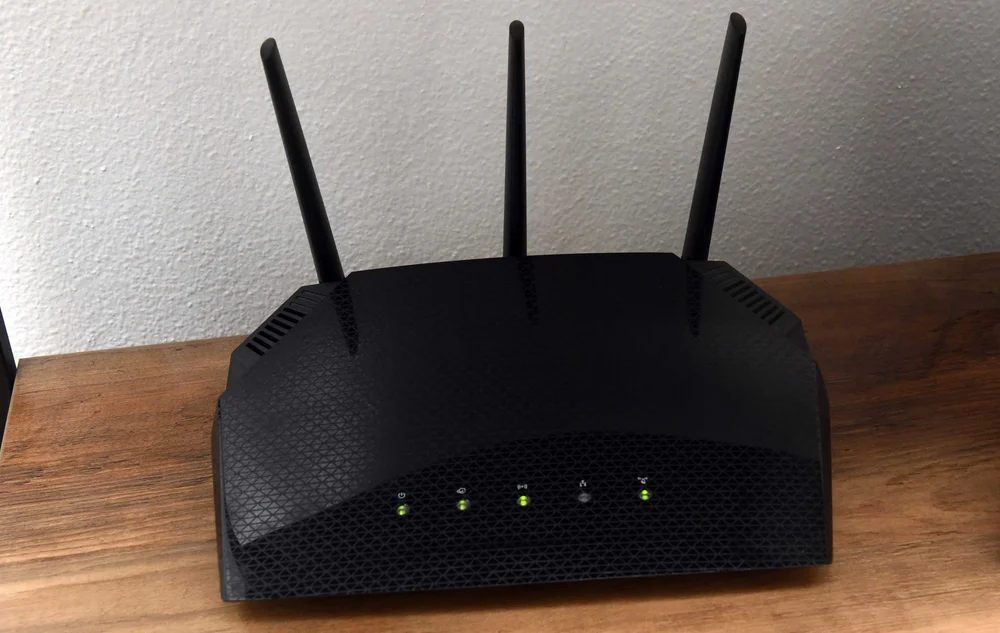
Wireless networks offer more convenience, mobility, easy installation, aesthetics, and flexibility. However, despite how appealing they sound, they lack in speed, reliability, security, and have range limitations compared to wired connections.
Gaming is the most popular and well-known application of LAN technology. Modern professional Esports tournaments often rely on LAN setups to avoid network issues and ensure fairness. It reduces lag and latency, eliminating the need for external devices. LAN remains relevant for smooth, current-day gaming. LAN can also be used for LAN parties in games like Minecraft, where players can create LAN worlds or servers. Gang Beast is another game frequently played using LAN. LAN parties can range from games like Rocket League to Call of Duty.

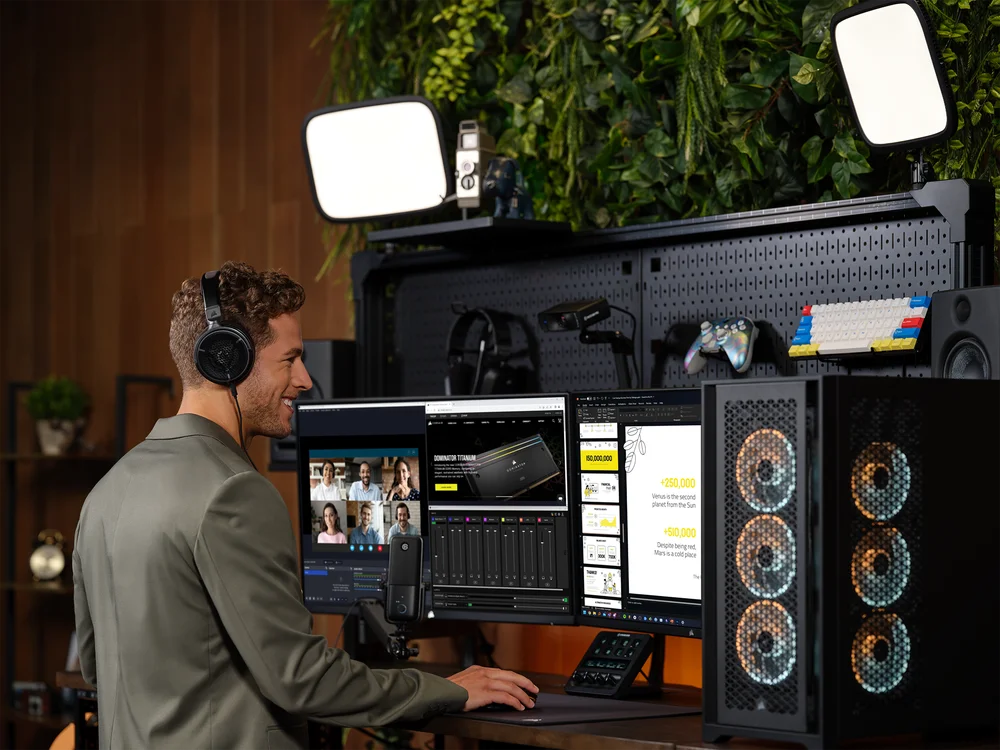
In an office setting, a LAN is useful to keep all of the workplace security as sensitive data within the office. A good example is the corporate environment, where a LAN is the primary means of communication between desktop PCs. This helps office personnel access printers to print documents quickly from anywhere in the office and send emails more efficiently, while keeping all data secured within the local network.
LANs also play a crucial role in educational environments, where students and teachers require quick access to learning materials. In libraries and research labs, LAN helps them manage their data and resources.
Hospitals often use LANs to link medical devices, including CT/MRI scanners and smart ventilators, for remote monitoring. This allows medical staff to share critical patient data with the care team in real-time, improving control and enabling quicker responses for managing all patient information. LANs are also found in smart homes, where they connect devices such as lights and security systems, providing more centralized control.

Image credit to aha.org
Many people may not fully realize the importance of LAN in their daily lives, but its significance greatly impacts how we connect in modern offices, homes, hospitals, LAN parties, schools, and other settings. Its use cases will continue to expand as we find new ways to utilize it every day. Whether wired or wireless, LAN proves its value every day.