The world of the humble Universal Serial Bus (USB) is changing. While USB in its various forms has been with us since 1996, there’s been a recent concerted effort to make it the standard interface for charging all types of hardware. From headphones to smartphones, handheld consoles to tablets, there’s a push to make everything use one single connection to make our lives a little bit easier. In fact, from April 2026, laptops will need to comply as well, according to Directive (EU) 2022/2380. It’s worth noting that other regions, including the U.S. and India, are exploring similar mandates, making this a truly global shift.
The connection we’re talking about here is USB Type-C, or USB-C for short.
This move hasn’t come without some criticism and resistance. Most notably, Apple was initially against adopting the standard for its range of iPhones, but even it has relented, and now even the fruitiest of hardware supports the standard. Which brings us to our decision to start offering more USB Type-C ports on our cases moving forward.
Cases and USB Ports
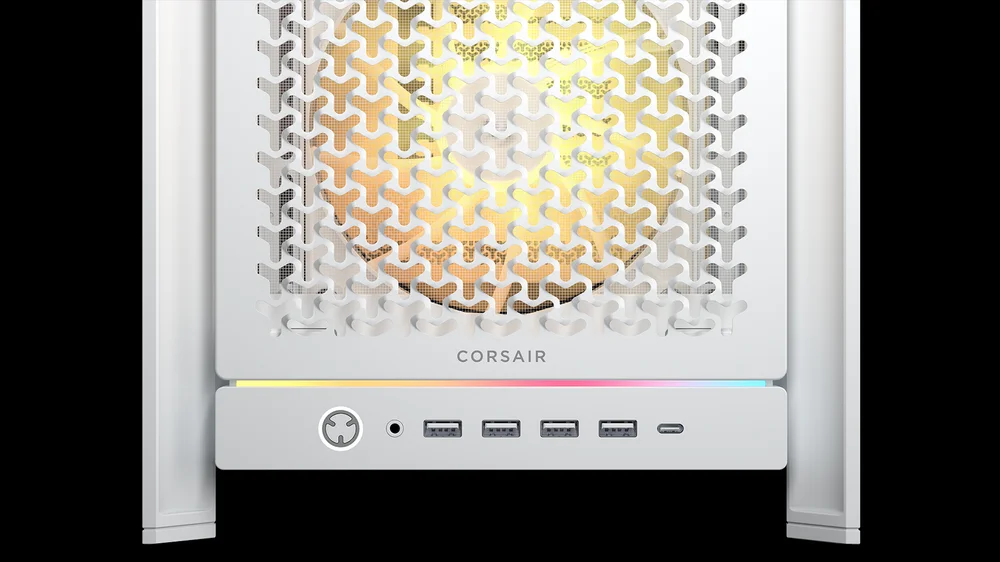
Take a quick look at the front I/O panel on your case, and you’ll probably see a couple of USB Type-A connectors, maybe as many as four if you’re the proud owner of the FRAME 5000D. If you have recently upgraded your case, then you may find that there’s a single USB Type-C port there as well.
The problem with this setup is that as more and more devices move over to USB Type-C only, we’re going to run out of ports to plug them into for charging. And charging is the main use for front I/O ports, so it makes sense to pivot now to ensure our PCs remain as useful as possible.
Of course, many of us still have plenty of devices that connect using USB Type-A. But as time goes on and more of those transition to USB-C only, the demand on that single front-mounted port increases. It’s worth pointing out that you’ll still have plenty of USB Type-A ports on the motherboard I/O at the back of the machine, which is an ideal place to plug in keyboards, mice, and similar peripherals.
Why USB Type-C?
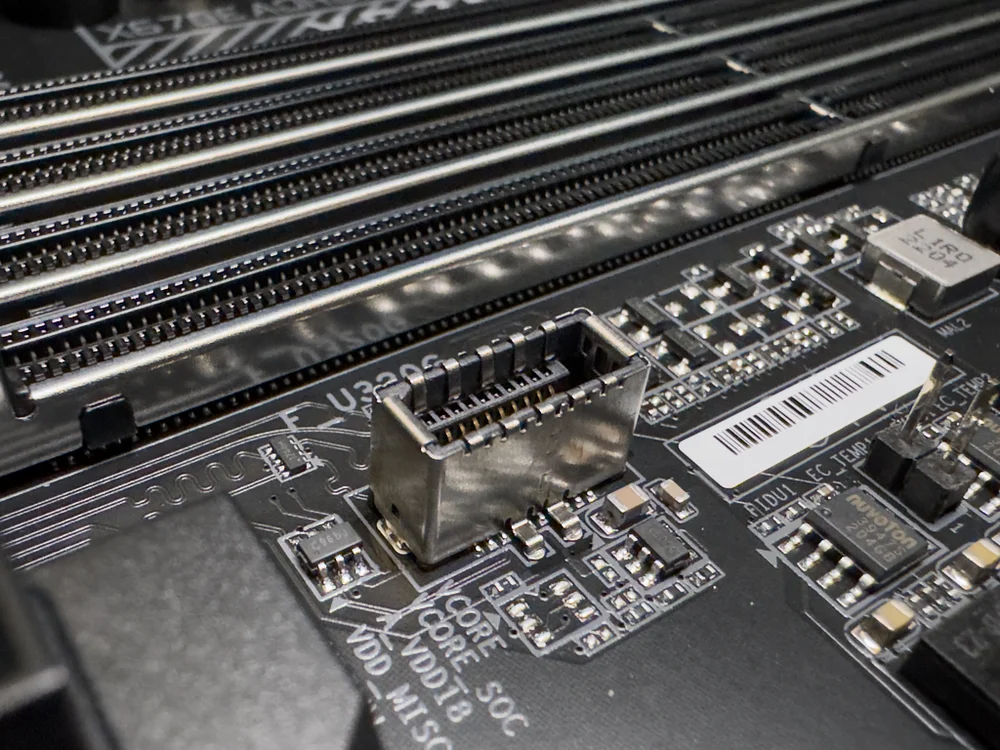
There are a couple of reasons why USB Type-C has come to the fore when it comes to charging, not least of which is its reversible design. You can’t plug it in the wrong way around like you can with other USB connectors, and that makes it much easier to use, especially on front I/O where quick access matters.
USB Type-C also supports much higher power delivery than previous iterations of USB. That includes fast charging modes supported by modern smartphones, among others. USB Type-A simply can’t compete with the newer standard. In a similar vein, those looking for faster data transfer speeds will want to use USB Type-C, especially as we move toward USB4.

PRODUCTS IN ARTICLE
JOIN OUR OFFICIAL CORSAIR COMMUNITIES
Join our official CORSAIR Communities! Whether you're new or old to PC Building, have questions about our products, or want to chat about the latest PC, tech, and gaming trends, our community is the place for you.