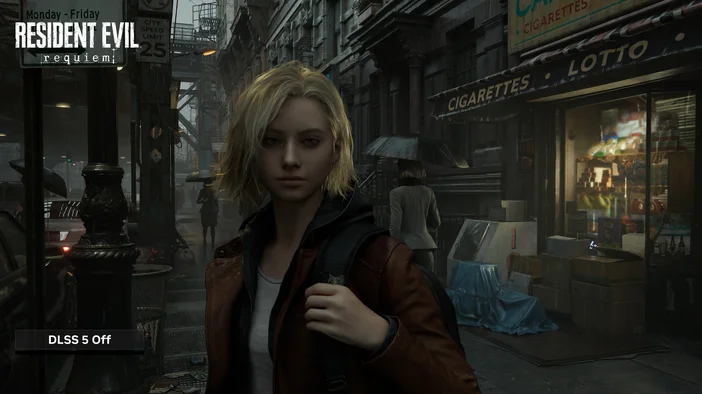
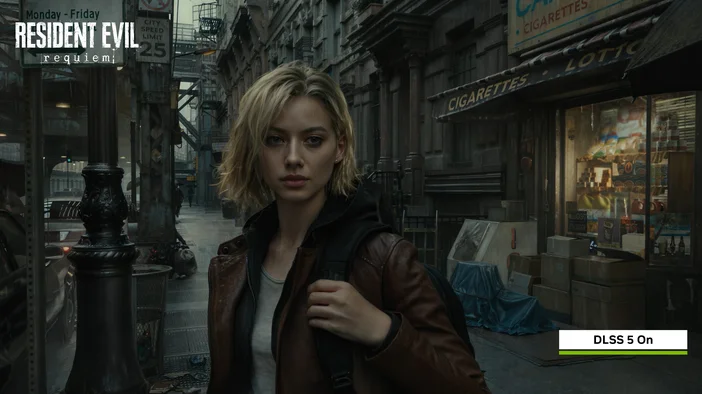
At GTC 2026 (that's Nvidia's GPU Technology Conference, in case you were wondering), Jensen took to the stage to announce a few things, including DLSS 5, the newest iteration of Nvidia’s deep learning technology. DLSS 5 was demonstrated on a few games such as Resident Evil Requiem, Starfield, and Hogwarts Legacy.
Since the announcement and demonstration, there’s been a lot of chatter about how DLSS 5 works, its implementation in future games, and the effect it will have on the games that use it and on the industry as a whole. We’re going to break it down for you here and we will include some of the examples that Nvidia used in it's blog post on the subject.
What is DLSS 5?
DLSS 5 is the upcoming version of DLSS (Deep Learning Super Sampling) which is a technology that’s been evolving since 2018. With DLSS 4 and DLSS 4.5, we got a load of performance-improving features, most notably AI-based frame generation, which created new frames on the fly to significantly boost the user’s FPS.
DLSS 5 is not simply an improved version of this though, it’s a totally different approach, and it’s resulted in a lot of pushback from the PC gaming community.
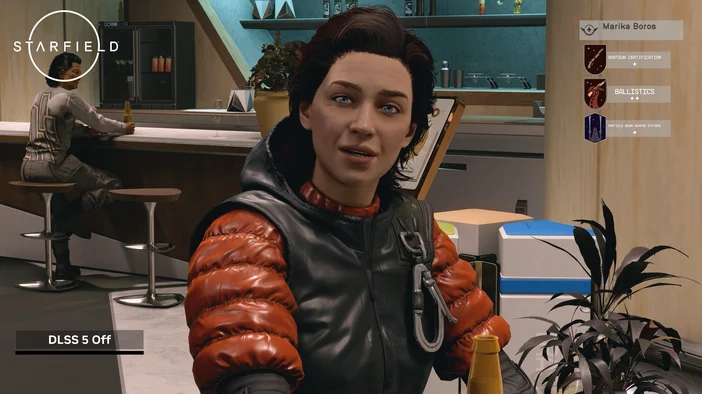
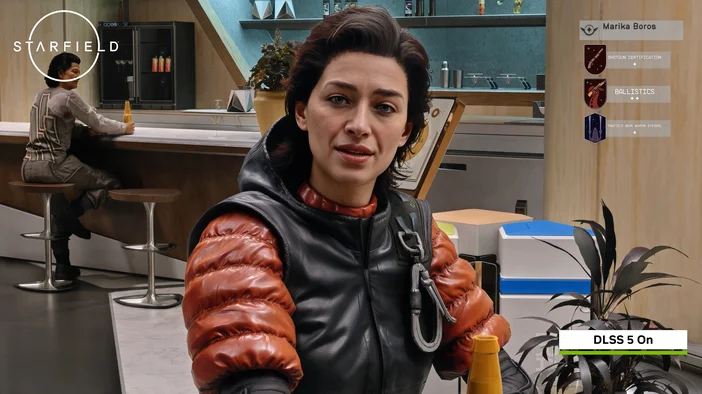
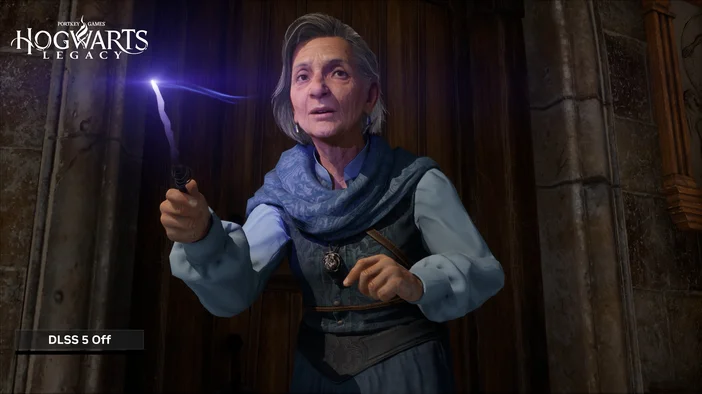
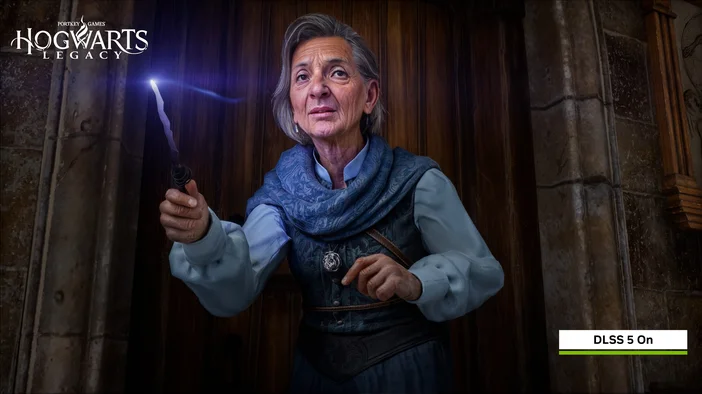
DLSS 5 uses an AI model to take the original frame’s color and motion vectors and create additional lighting and textures on top of the native frame. This results in what Nvidia is calling “a dramatic leap in visual realism while preserving the control artists need for creative expression.”
It will also apparently understand the semantics of the scene so it will be able to keep lighting conditions consistent, while implementing graphical features absent from the original frame like subsurface scattering and light-material interactions on hair.
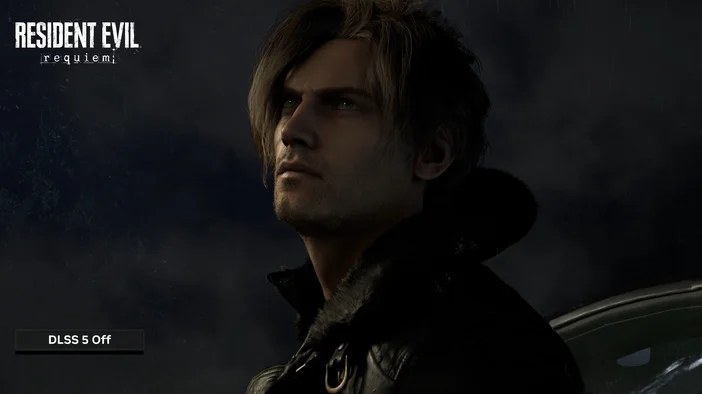
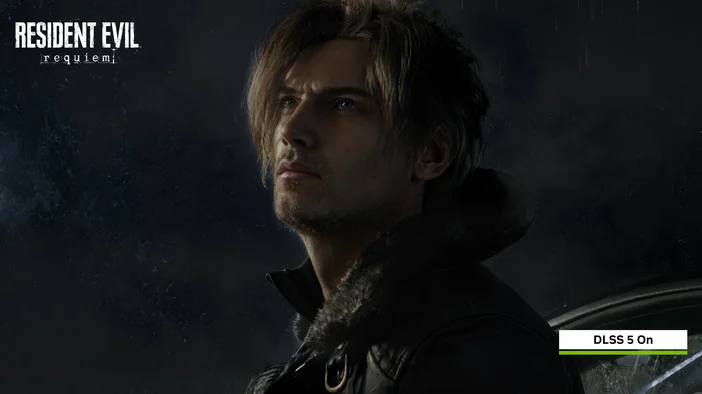
According to Nvidia, DLSS 5 will provide developers a level of control over how intense the effect is, the color grading, and the ability to mask off certain parts of the game which would leave those areas unaffected by DLSS 5.
Will You Be Able to Turn DLSS 5 Off?
Yes. The features of DLSS 5, like the versions before it, will appear as an option in the graphics settings of supported games. It is not a filter that is automatically and unilaterally applied to games. This means that if you dislike the AI vibe it brings, you won’t be forced to enable it.
When Will DLSS 5 Release?
There is no exact release date at the time of writing, but Nvidia says DLSS 5 will become available in Fall of 2026. This will probably take the form of a large Nvidia driver update and smaller patches to the games that choose to implement it.
It's worth noting that DLSS 5 requires a considerable amount of processing power. It's still in development, but the demos you can see here from Digital Foundry were powered using a pair of RTX 5090s, one doing the standard rendering up to DLSS 4.5, and DLSS 5 requiring a GPU all of its own. The plan is for a single card to be able to do both jobs, but just be mindful that this kind of effect is not free.
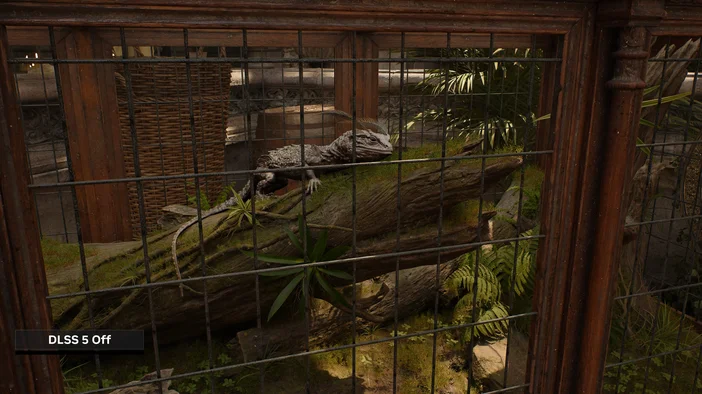

Which Games Will get DLSS 5?
According to Nvidia, the following games are confirmed to receive DLSS 5 functionality at some point:
- AION 2
- Assassin’s Creed Shadows
- Black State
- CINDER CITY
- Delta Force
- Hogwarts Legacy
- Justice
- NARAKA: BLADEPOINT
- NTE: Neverness to Everness
- Phantom Blade Zero
- Resident Evil Requiem
- Sea of Remnants
- Starfield
- The Elder Scrolls IV: Oblivion Remastered
- Where Winds Meet
Additionally, Nvidia says that DLSS 5 will be supported by Bethesda, CAPCOM, Hotta Studio, NetEase, NCSOFT, S-GAME, Tencent, Ubisoft, and Warner Bros. Games. This means that theoretically any game from these companies could receive DLSS 5 implementation.
Of course, these are just the companies that have agreed to support it right now. Other companies may follow suit, but given the negative reactions from the community, DLSS 5 probably won’t become quite as ubiquitous as the previous versions of DLSS have.
JOIN OUR OFFICIAL CORSAIR COMMUNITIES
Join our official CORSAIR Communities! Whether you're new or old to PC Building, have questions about our products, or want to chat about the latest PC, tech, and gaming trends, our community is the place for you.