GLOSSARY
What is a CPU?
The brain of the PC system is what many people refer to as the CPU, or Central Processing Unit. In the world of personal computers, CPUs play a very important role and are essential for determining overall system performance and efficiency. This tiny chip is responsible for executing tasks ranging from simple data processing, such as web browsing, to complex operations, like 3D animation, required by software applications.
They have a wide variety of functions in a PC build, affecting your PC's ability to process various applications, from gaming to video editing and content creation. The CPU handles all commands you input in a game, the enhancements you apply to an image, or how fast you can implement an automated workflow for a project, all dependent on the CPU's processing power.

CPU Specs
In the process of building a PC system, the CPU is one of the first components you need to decide on. Usually, it is the hardware that determines the overall build of your system. From the motherboard to memory, including graphics, everything depends on the CPU you choose to create a cohesive system that supports your applications.
Key specs to note when choosing a CPU:
- Core count & Number of threads - Determines the CPU's ability to handle multitasking and parallel processing; higher counts typically enhance performance in resource-intensive applications.
- Clock Speed - Measured in gigahertz (GHz), indicates how quickly a CPU can execute instructions, with higher speeds generally translating to better performance in single-threaded tasks.
- Cache Size - Acts as a high-speed memory for frequently accessed data and plays a key role in overall efficiency.
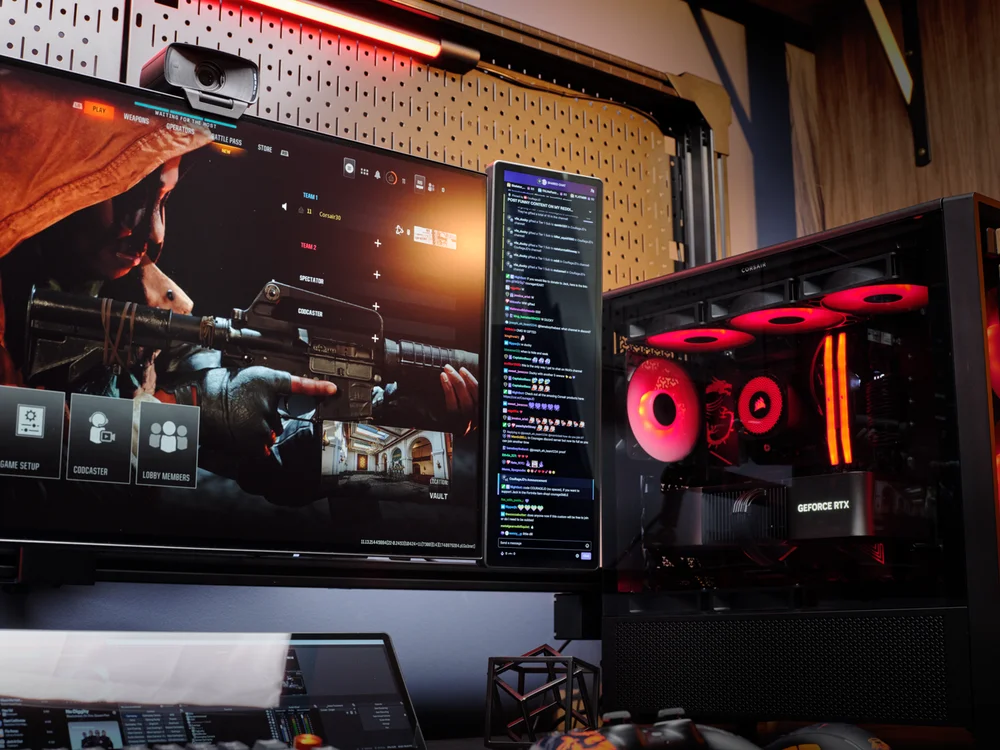
PC builders need to understand these specifications when selecting a CPU that meets their specific needs. As PC technology continues to advance, CPUs will naturally improve and evolve, incorporating features such as integrated graphics, energy efficiency enhancements, and smarter designs than previous generations, which now enable the use of CPUs in artificial intelligence applications.
AMD vs Intel
We're sure at this point, if you have built a PC in the past, or even if you are not PC enthusiasts but have used PC on a regular basis, whether for gaming, content creation, or productivity, you have heard of Intel and AMD, the two of the most prominent manufacturers of central processing units (CPUs) in the world, each offering a range of products that cater to different segments of the market.
Intel, known for its Core series like i5, i7, and i9, has a strong reputation for excelling in single-threaded applications. These processors are widely used in both desktops and laptops. In recent years, Intel has introduced innovative hybrid architectures in newer-generation CPUs, making them highly sought after by gamers and professionals who require high clock speeds.
They also invested in integrated graphics processors (IGP), where the GPU is integrated into the same silicon die as the CPU. With this design, the user doesn't necessarily need a dedicated video card in a build to run the PC.
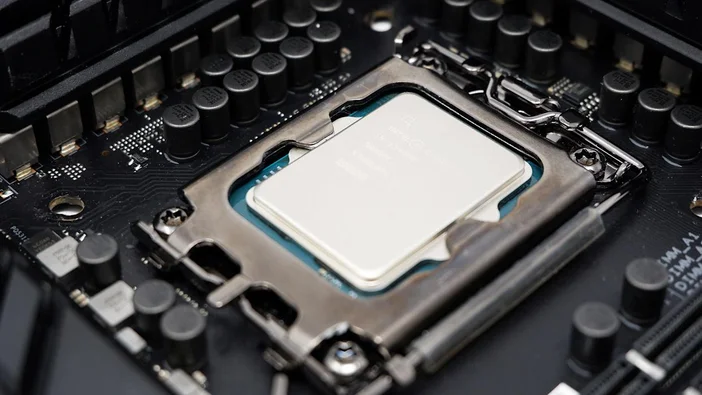
Image credit to Tech Yahoo
In the eyes of many, Intel may be the more popular brand of the two, perhaps due to its aggressive marketing strategy and wide variety of offerings. That said, AMD also has its ways to appeal to the masses. In fact, it has gained significant market share and traction in recent years with its Ryzen series, which has been praised for its multi-threaded performance and competitive pricing.
AMD's architecture, particularly with the introduction of the Zen microarchitecture, has allowed it to offer more cores and threads at similar price points compared to Intel. This has made AMD a go-to CPU solution among content creators and professionals who run demanding applications that benefit from parallel processing, such as video editing and 3D rendering.
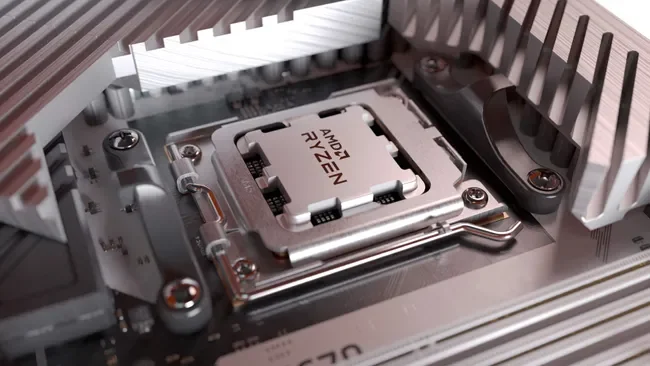
Image credit to PC Gamer