GLOSSARY
What is DDR (Double Data Rate) RAM?
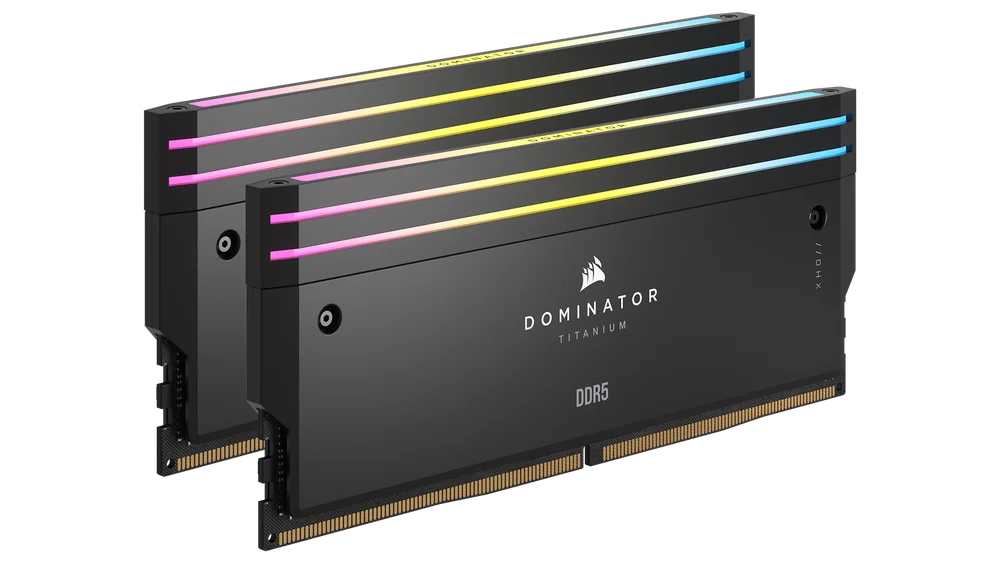
DDR RAM, or Double Data Rate Random Access Memory, is computer memory that enhances speed and efficiency of your PC. DDR is the more advanced sibling of the older SDR (Single Data Rate) series, and has shown its worth. And of course, we at CORSAIR love our RAM.
How Does DDR RAM Work?
To understand this, you must first understand clock cycles and speeds. A clock cycle in DRAM is a timing pulse (tick) from the memory controller (CPU IMC), used to coordinate DRAM operations. It defines the smallest time during which a DRAM operation can begin or advance.
Clock speed in DRAM refers to how many times per second the memory's clock ticks. More ticks equals more operations.
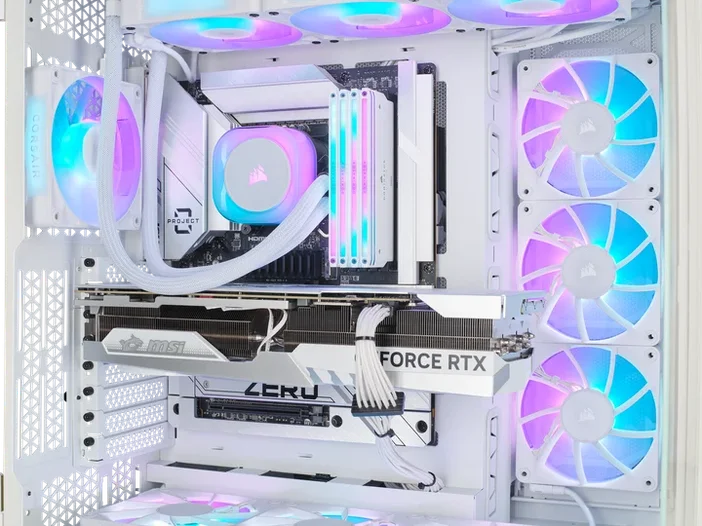
DDR RAM maximizes data throughput between the DRAM modules and the memory controller allowing for faster and more efficient communication within the PC. If you want to delve deeper into the more advanced information on the terms and specs, check out our article about DRAM for an overview.
You must also keep in mind your motherboard and CPU's compatibility with the RAM you want to buy. When you're buying, check out this compatibility finder first!
Now that we've got the basics out of the way, we can explain the significance of DDR in relation to clock cycles.
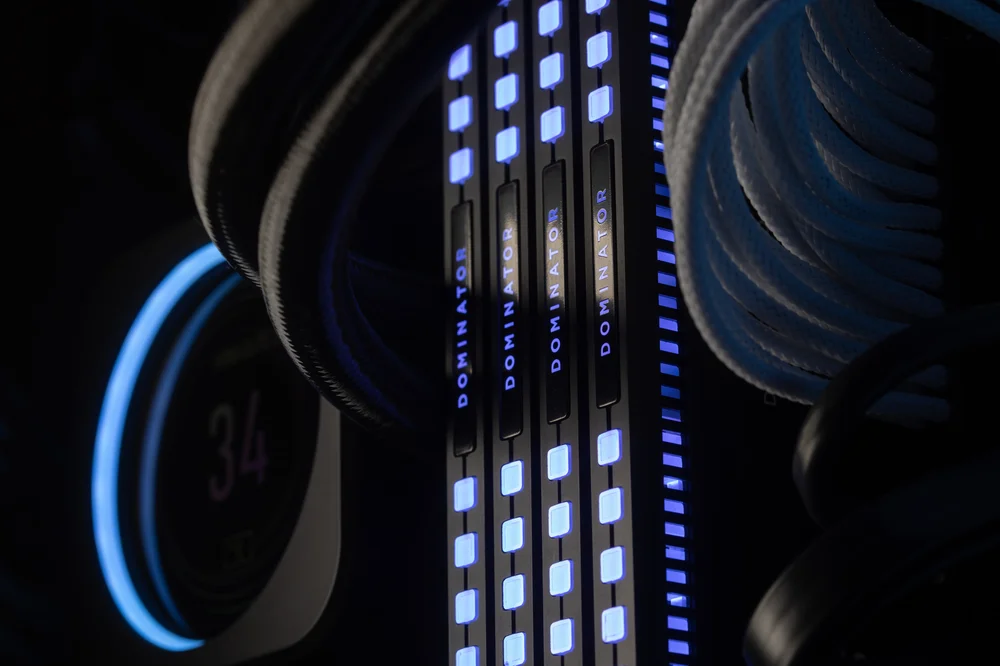
Unlike SDR RAM, which can only perform a single paltry read/write action per clock cycle, DDR RAM can do two times the actions on each edge of the electrical signal, both rising and falling (which is called 'double pumping'). This essentially doubles the data transfer rate when compared to SDR RAM
Important Features
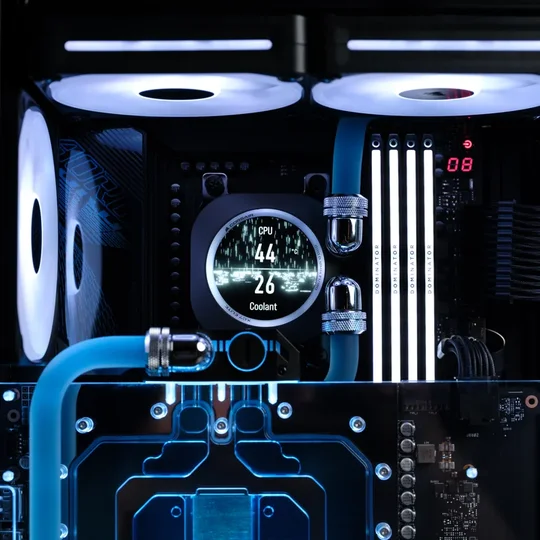
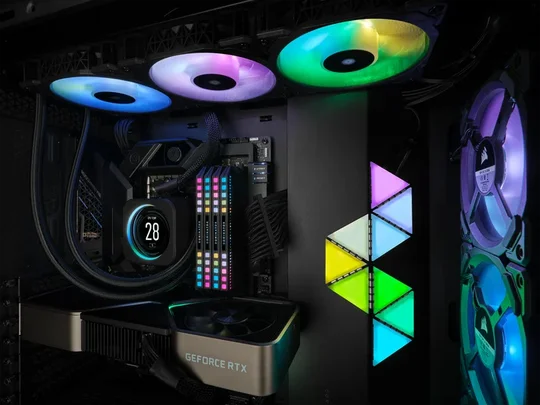
It's important to note that DDR RAM modules have multiple memory cells where data is stored as electrical charges.
The CPU memory controller locates the data in its RAM using memory addresses. Some DDR modules are double-sided, meaning they house memory chips on both sides for higher capacity per module.
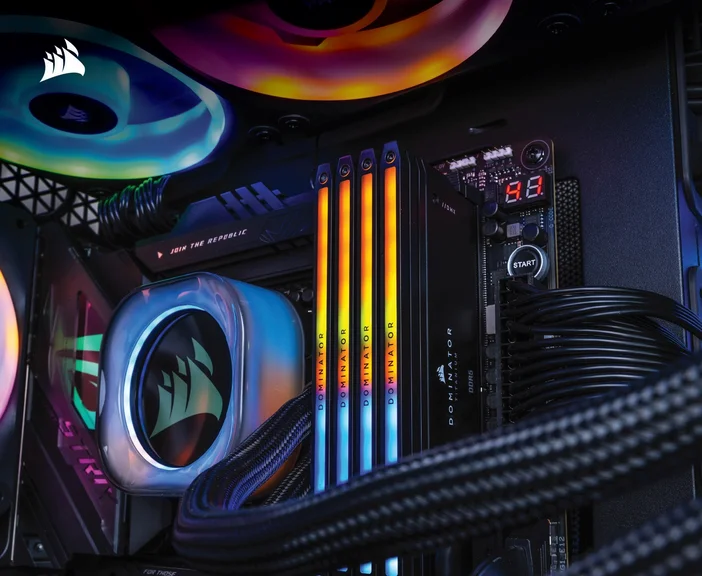
The third feature is a retrieval technique called ‘burst transfer’ and makes the RAM require less actions to get the data the computer wants. They do this by accessing multiple data values one after the other after getting the starting data value.
Benefits of DDR RAM
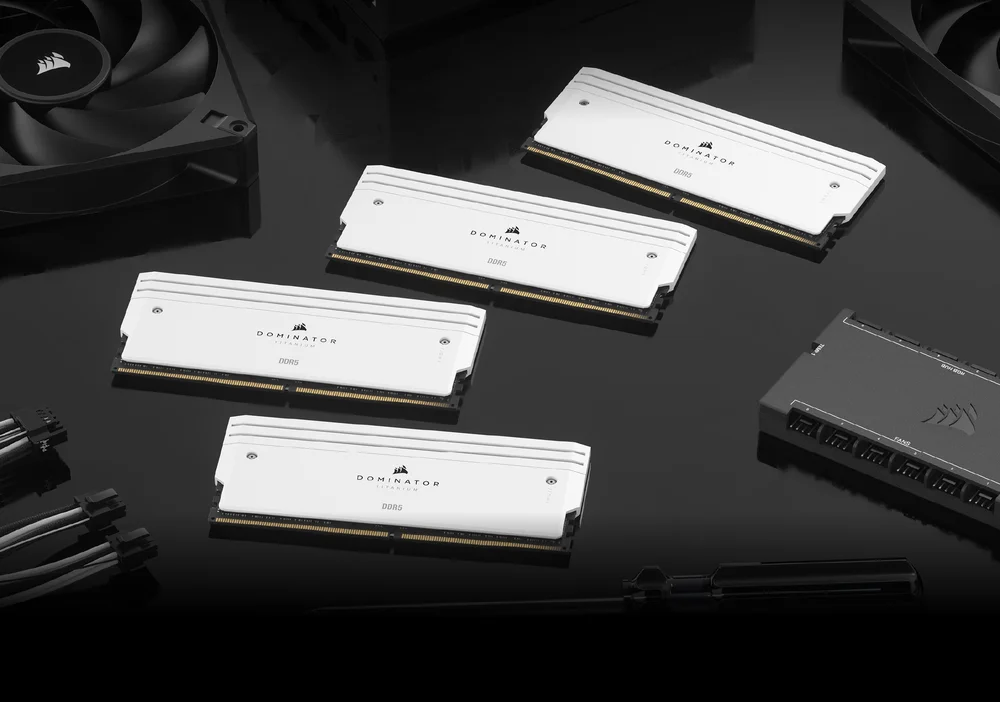
High Performance – DDR RAM is a big step up from earlier memory modules and has blistering data transfer rates, leading to demanding tasks becoming much easier.
Great Bandwidth – More data can be transferred throughout your computer system in a shorter amount of time, increasing performance further.
Energy Efficient – DDR RAM uses much less energy compared to previous renditions and it only gets better as more versions of the RAM modules come out.
Enhanced Multitasking – The high data transfer rates allow multiple programs to be run at the same time with efficiency and little lag.
Different Versions
Over the years, there have been a great many variations of DDR RAM, most commonly DDR 1-5 RAM.
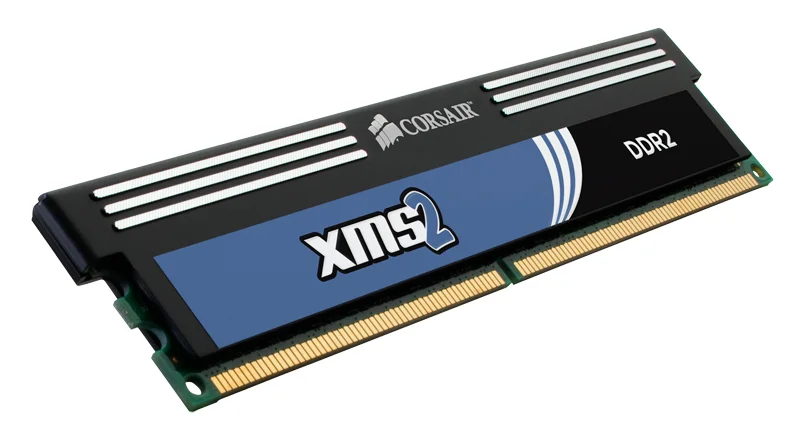
In layman’s terms, and as expected, each new generation of RAM built off of the last and has shown increased efficiency, data transfer rates, and bandwidth.
From the first generation’s speeds of 100MHz to 200MHz, to the fifth generations 2,000MHz to 4,400 MHz, we have seen a huge increase in the overall power of these modules.
CORSAIR has been one of the most trusted names for years when it comes to memory, and our CORSAIR DRAM has been some of the best on the market. If you are looking for an upgrade, then make sure to check out our new DOMINATOR TITANIUM and VENGEANCE modules for the best quality you can find.